
About Fig & Ginger
Good food, good stories, good people, good times. Life’s too short for anything less.
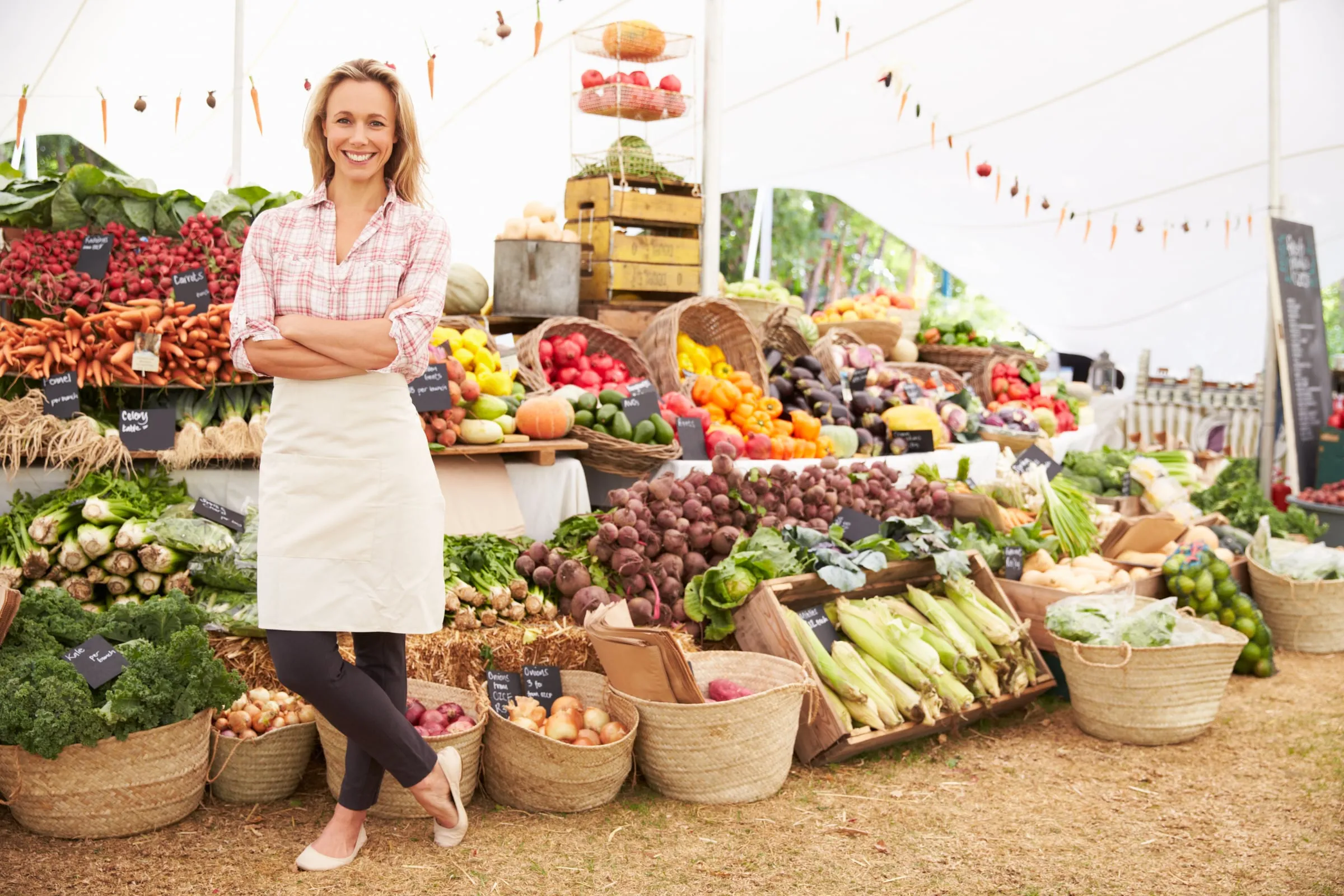
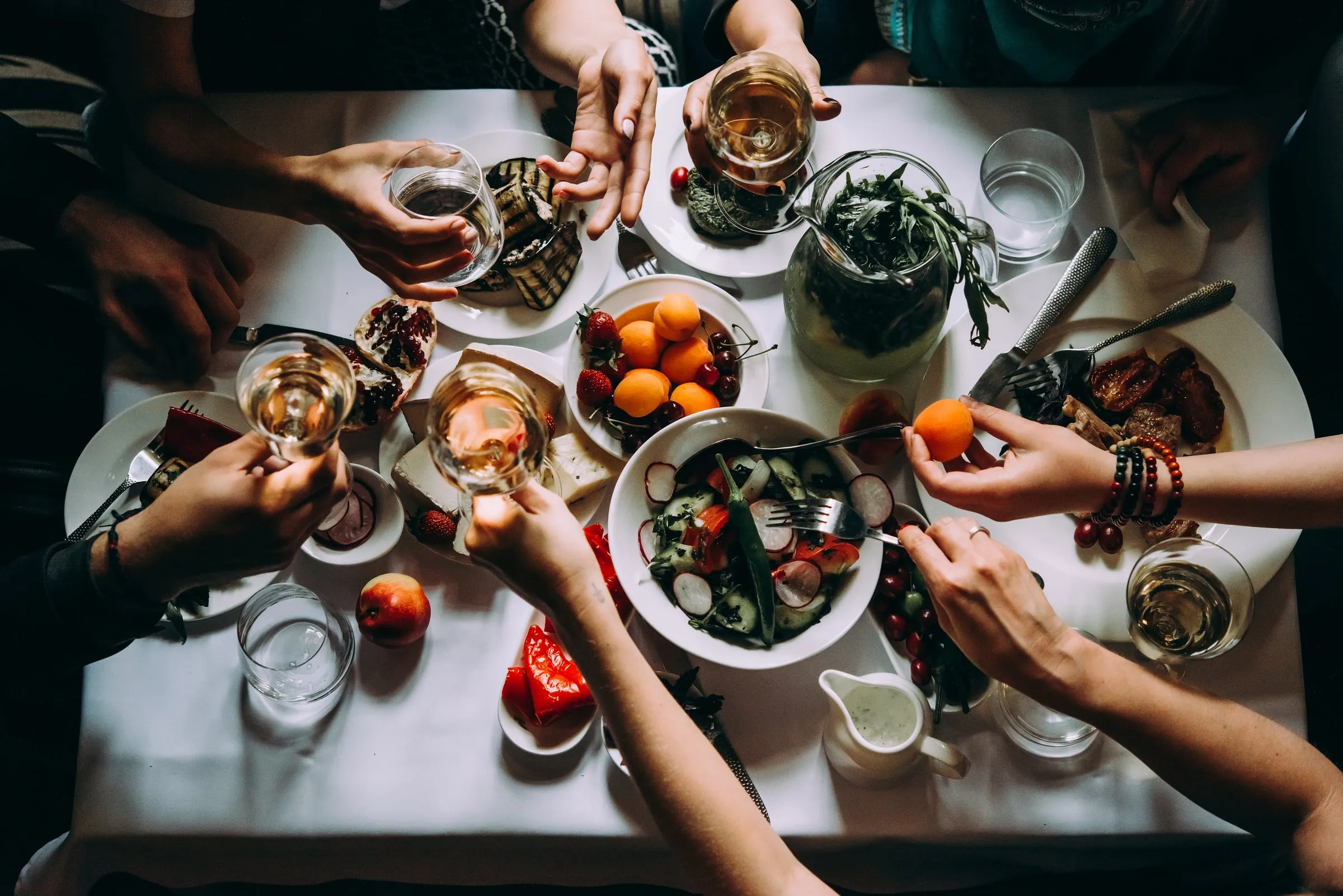
Fig & Ginger is a family table that refuses to stop growing. We come to it the way pilgrims come to a temple, early, curious and a little too hungry to be polite, and we stay long after the candles have given up. Somewhere between the first course and the last argument we learned the oldest lesson in the house: a city never tells you who it is until it feeds you.
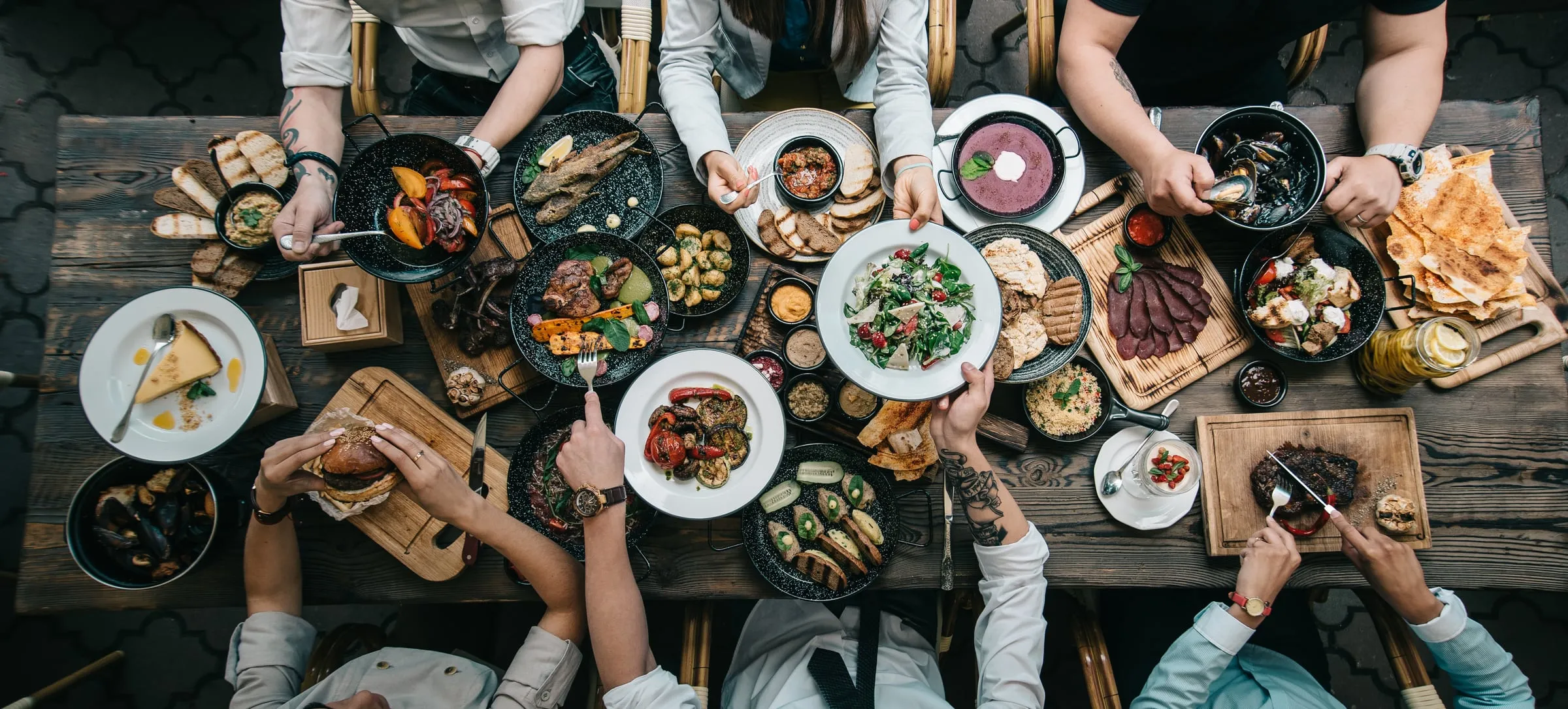
So we go looking. Not for the plate alone, but for the hands that made it, the grandmother who refused to write it down, the street vendor who has been arguing with the same pot for forty years. From crowded bazaars to the quiet lanes of old towns, we follow the food that brings people together and the drinks poured beside it, and we bring back what we can carry.
Cooking is all about people. Food is maybe the only universal thing that really has the power to bring everyone together. No matter what culture, everywhere around the world, people eat together.
Guy Fieri
What You Will Find at This Table
Recipes worth stealing. Dips and spreads from Baghdad to Bergen, dressings, spice blends and the odd main course, each one with a card you can print, prop against the flour jar and get gloriously messy.

The stories that came with them. Every dish here arrived with a tale attached: a trade route, a feud, a cook with opinions. We tell them the way they were told to us, over the noise of the kitchen.
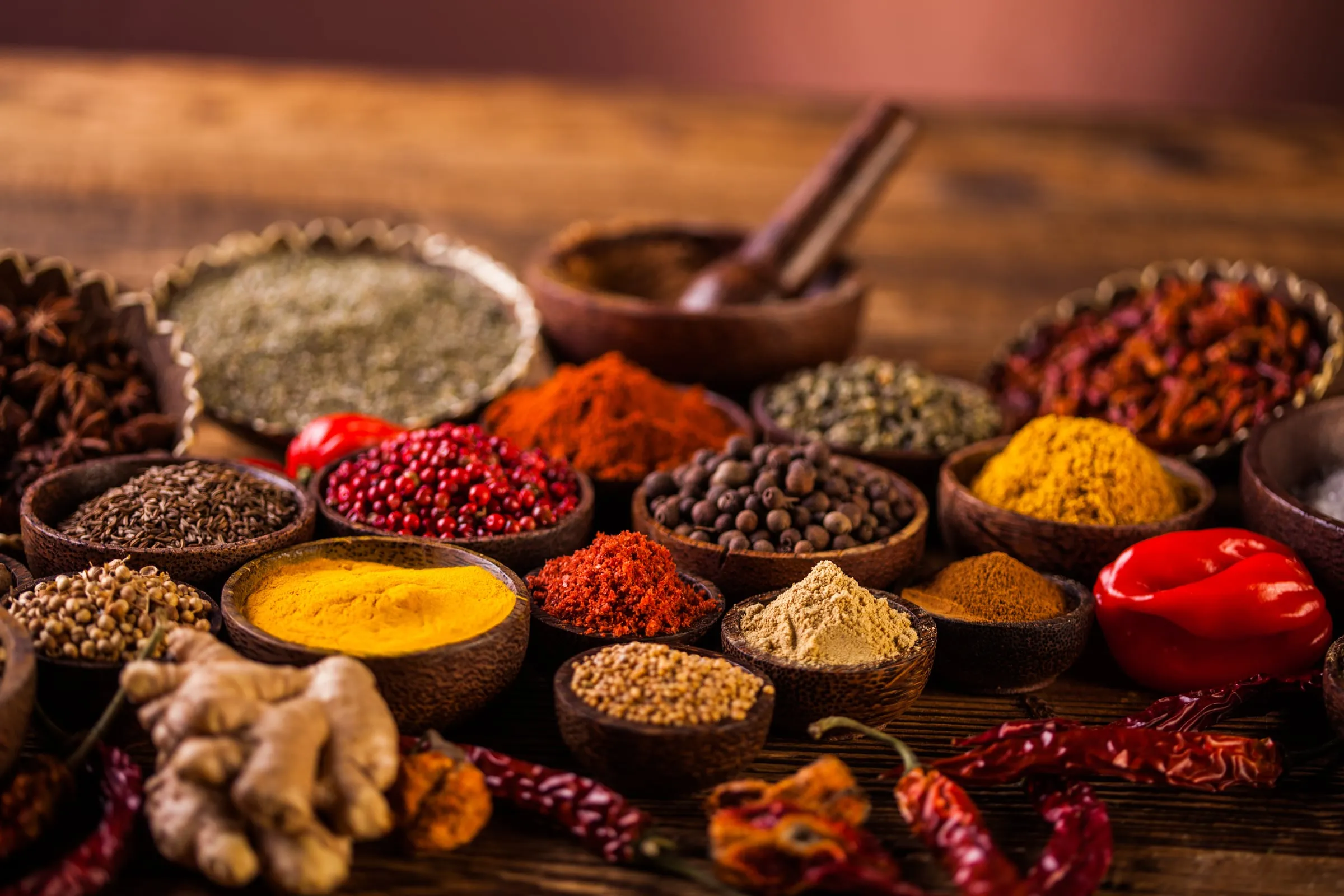
Spice Mélange. A bazaar of seventy-nine jars, each one filled with the real thing and opened one at a time: salt that was marched for, pepper that rerouted the world, saffron worth a man’s life. The pantry, it turns out, is a history book with a lid.

Wine, without the sermon. A stroll between the vines: a map, a lookup for whatever is printed on the bottle, and how one tiny aphid almost finished off European wine. No second mortgage required.
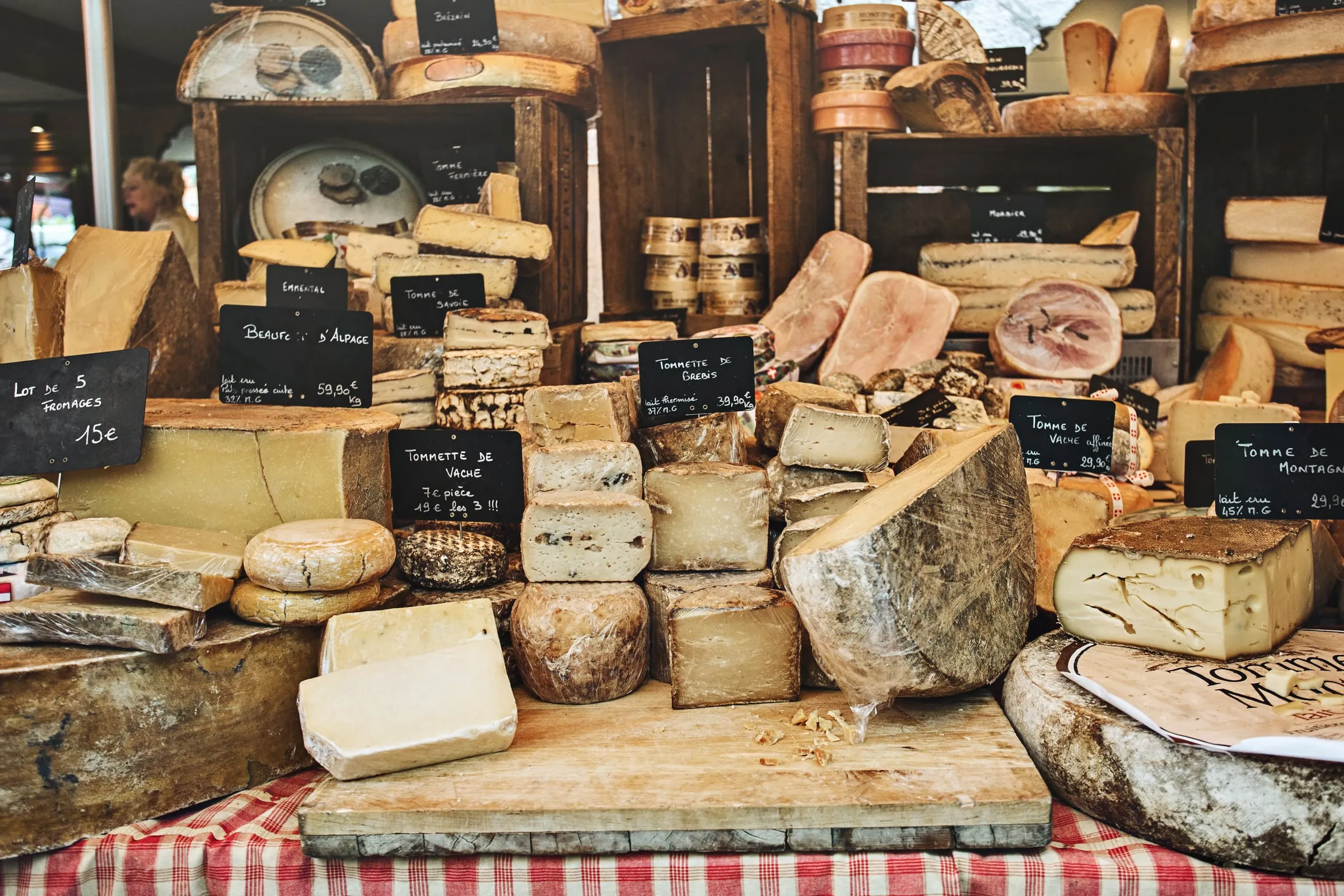
Reviews. Restaurants, bars and cafés I would send a friend to, now open in Montreal, Toronto, Vancouver, Calgary, New York, London and Paris, rated in cymbals on a scale that refuses to hand out fives. The counters where the menu is a rumour and the owner’s mother is the only critic who counts, and a friendly word of warning about the rest. More cities are on the way.
Reading, the screen and the kitchen drawer. The books that rewired how I shop and eat, the films and series with real kitchens in them, and a straight answer on which knife, pan and board to buy, with pictures of what to look for.
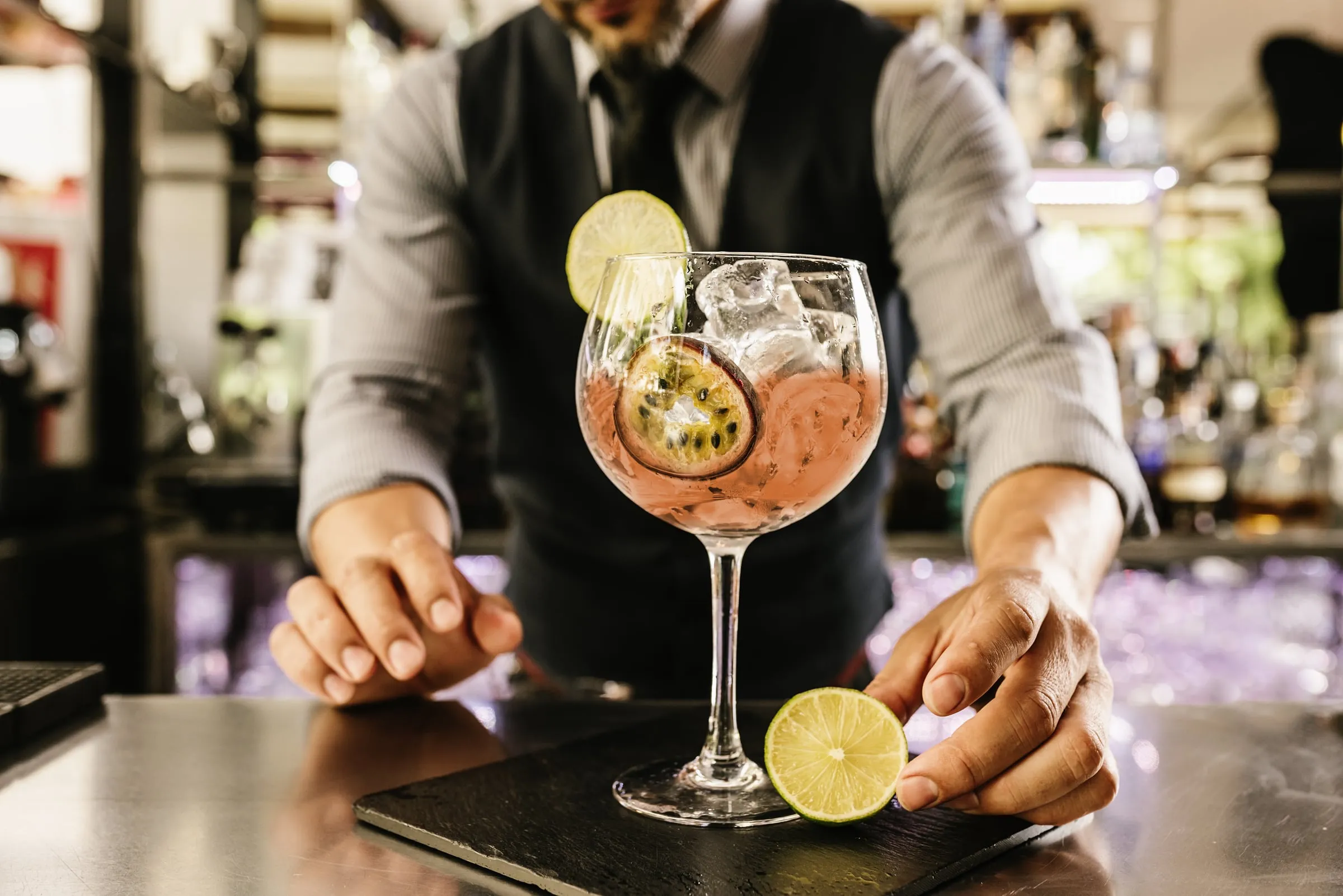
Speakeasies. Nearly three hundred hidden bars in fifty-five cities, behind bookcases, freezer doors and stairwells with no sign. Knock twice, and check they are still pouring before you book the flight.
The Man Holding the Fork

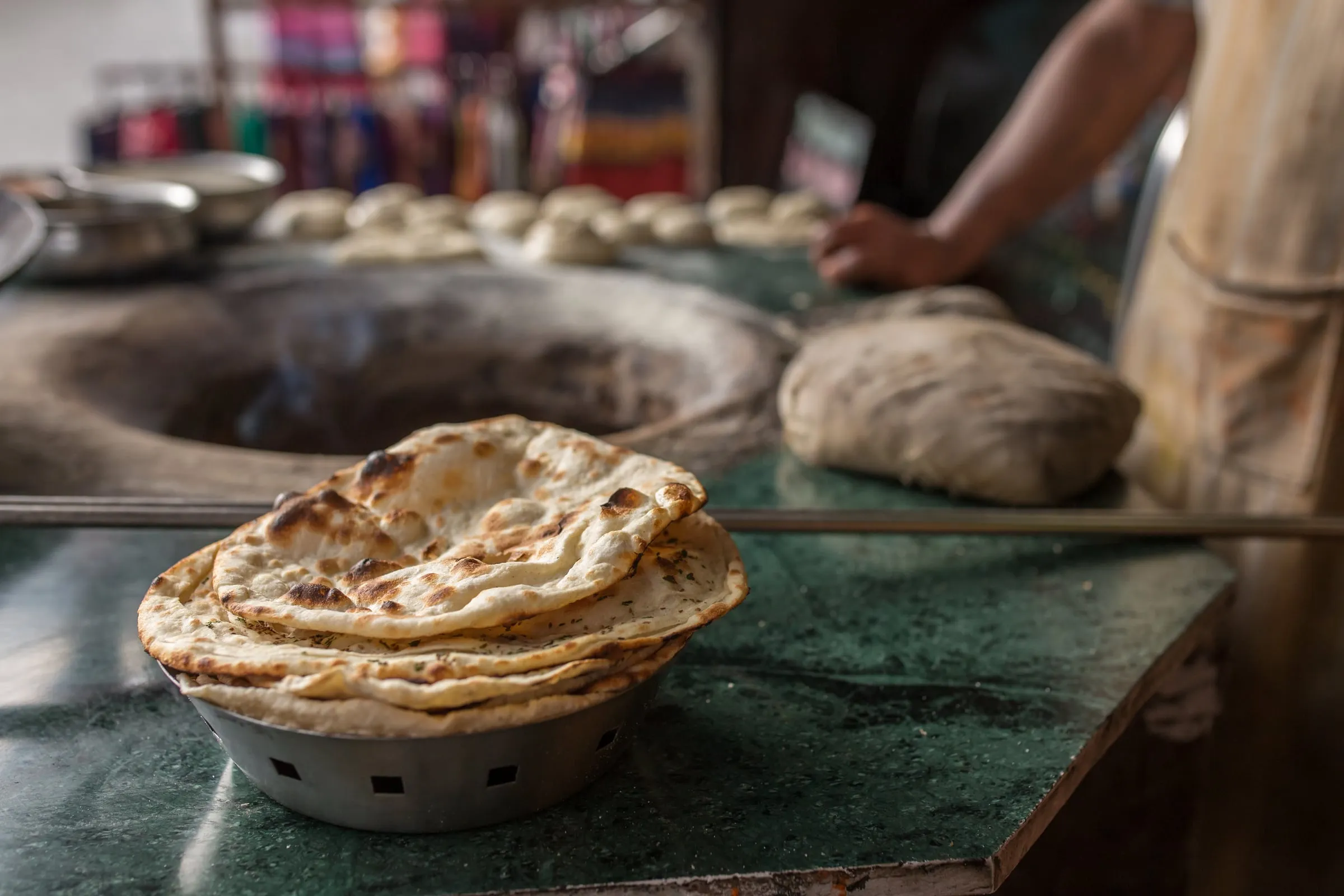
Borne out of the crucible better known as the Middle East, raised on Punjabi stubbornness and his grandmother’s pickles (the jar was always half empty, and never by accident), Amish Chadha learned early that the shortest road to a stranger’s heart runs straight through the kitchen door. Years as a road warrior for the doyens of consulting did the rest. Somewhere between the airport lounges and the expense reports he discovered that boardrooms forget you by Friday, but the woman who sold you the 2 a.m. shawarma will remember your order for a decade.
He has eaten things he cannot pronounce in places he could never find again, drunk things that probably ought to be regulated, and been bullied into second helpings by grandmothers in more languages than he will ever speak. He trusts a cook with burn scars over a chef with a publicist. He believes the best meal of your life is usually the one you nearly walked past. He has been known to plan an entire itinerary around a single bowl of soup (it was worth it; it is always worth it). Coffee shops know him by whichever name the barista hears over the steam: Javier in Madrid, where he orders a cortado and nods along to the football; Roger in London, thanks to a flat white and one swallowed vowel; Lucio in Córdoba, where nobody believes he is not a poet; Gus in New York, where the bodega coffee comes in a blue paper cup and nobody has the time for a second syllable. He answers to all four, and tips like each of them owes him an apology. His harshest ever critic had four paws, sat by the fire, and never once turned down a second helping.

Fig & Ginger is where he empties his pockets: the recipes he begged for, the stories that came free with dessert, and the occasional confession about what happened after the third glass. He kicks back over a plate of something he really should not have ordered, and just when he thinks he has finally tasted it all, touché mes amis… the Buddhas laugh, and pass the bread.
The Provenance of ‘Fig and Ginger’
The names look simple, even modest. Like most good things from a kitchen, they carry more than they show. Go back far enough and you will find that figs and ginger both have roots running deeper than anyone expects.
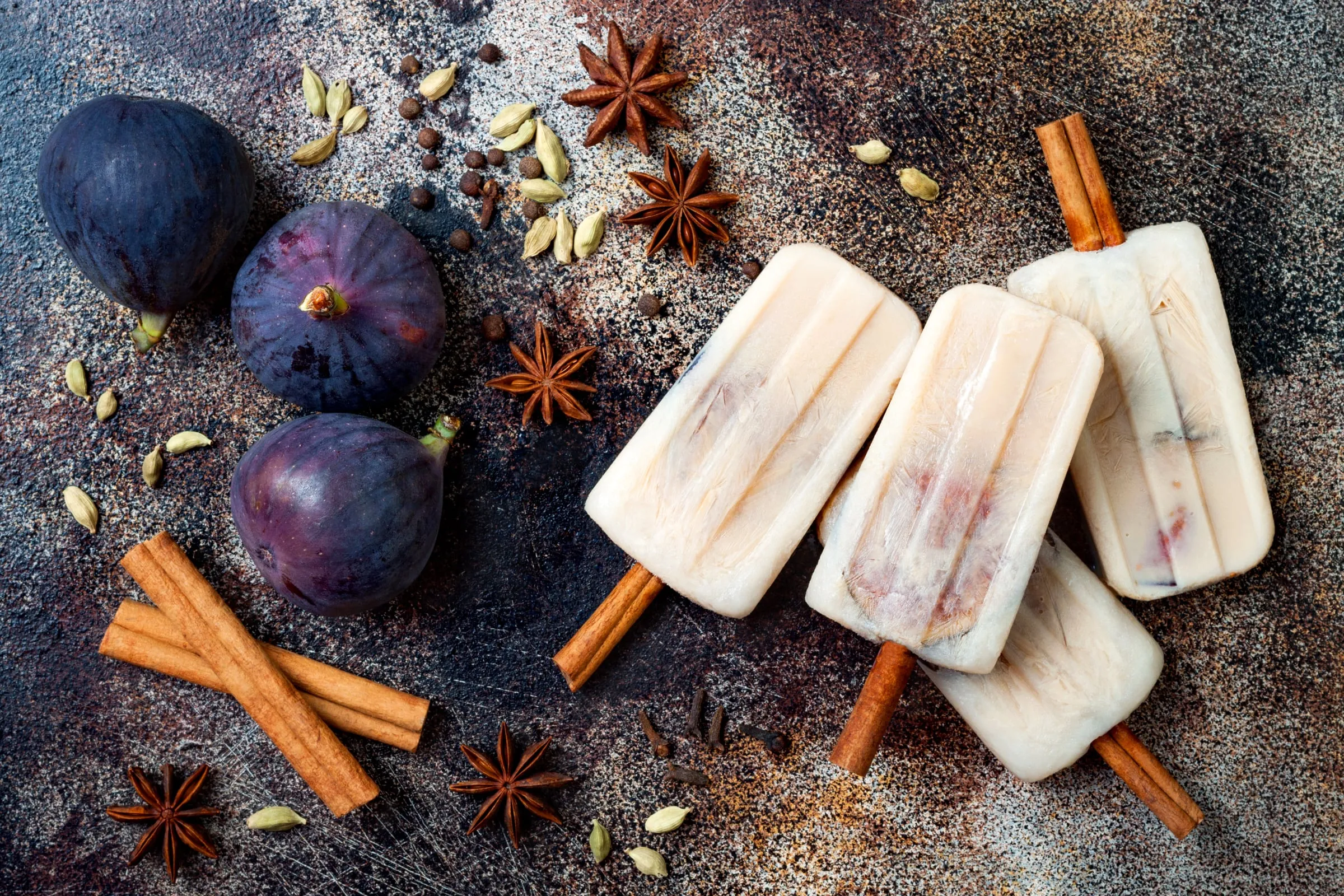
Figs have stood for peace and plenty since biblical times. From the gardens of Babylon to the courtyards of Rome, the soft, sweet fruit has fed people at their tables and found its way into their myths and legends. A fig on the branch means a good harvest, and something sweet about life that nobody has quite explained.
Ginger is the fire across the table. The knotted root rode the old spice routes out of Asia, treasured cargo in the holds of creaking wooden ships, and became a prized delicacy in the courts of medieval Europe. Under the warmth and the bite, ginger tells of going past the edge of the map to find what no one has charted.
So why Fig and Ginger? Because together they hold what we keep looking for: the familiar beside the far away, the sweet beside the spicy, the jar on the shelf beside the road that brought it there.
Coming Soon to the Table
The pantry. A small homegrown line of jams and pickles, made from grandma’s recipes and put up in jars the way she would have wanted, which is to say with more patience than anyone has these days. Watch this space, and bring your own spoon.