
Chermoula, Ground by Hand in a Casablanca Market
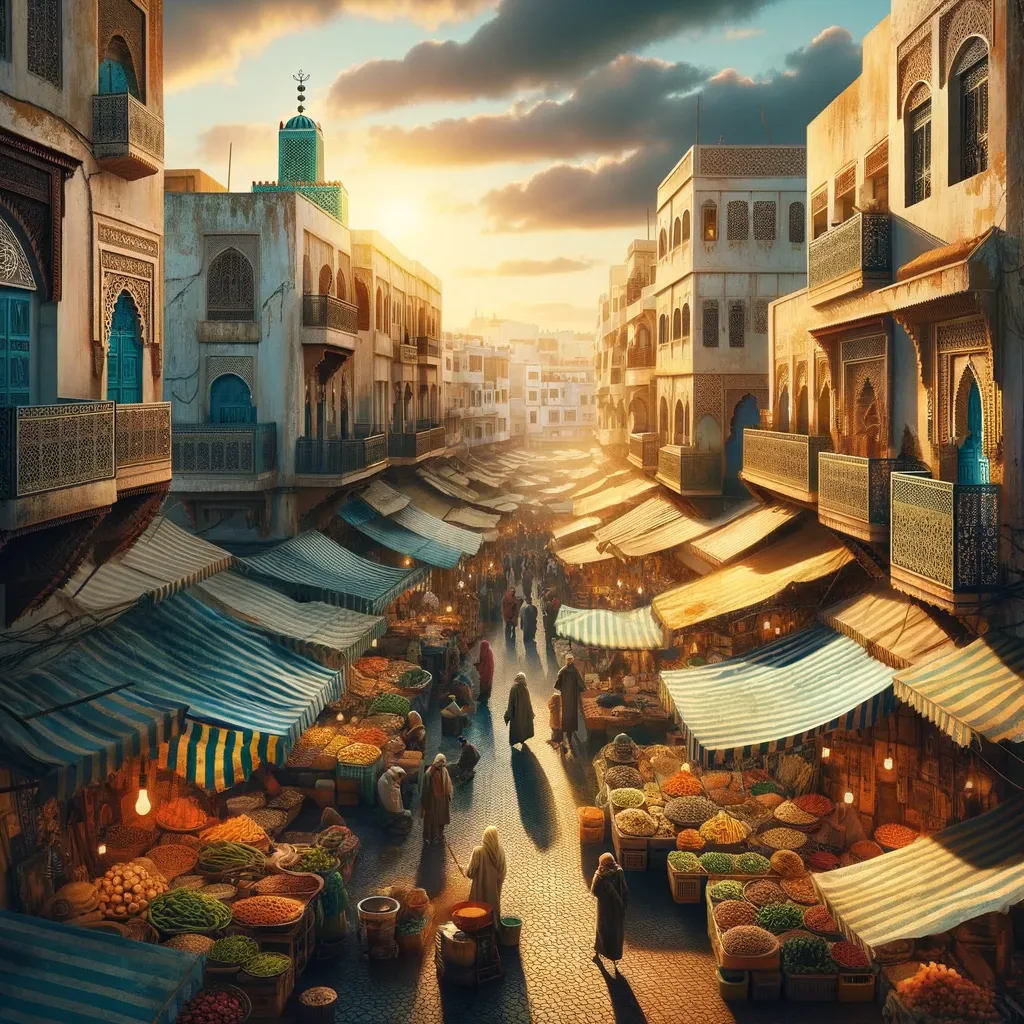
It’s a slow afternoon in Casablanca, and the salt of the Atlantic is in the air. Morocco’s coastal cities feel ancient and rough at once. Between sips of sweet mint tea I lose myself in the noise of the market, surrounded by color, by texture, and above all by smell.
As the red sun goes down and the shadows stretch long down the narrow alleys, one smell rises over the rest and holds its ground among all the flavors of Morocco: chermoula.
Chermoula is more than a spice blend. It is a song, a story, the voice of a land with a long memory and a people who care deeply about how things taste. Its roots go far back, to Berber tribes, Arab caravans, and old sea roads.
Many centuries ago, Berber tribes wandered the wide spaces of North Africa. These tough desert people, always on the move, cooked with a wisdom that was simple and deep. It was their meeting with Arab traders and Andalusian refugees that set the region’s kitchens alight.
The Arab travelers came down to the ports of North Africa loaded with spices from the East: cumin, coriander, and saffron. The Andalusians, shaped by Moorish Spain, brought a refined taste and things like olives and preserved lemons. What passed between them was more than goods. Their kitchens, their tastes, and their habits ran together.
One day, in a busy port city perhaps much like Casablanca, a Berber cook with a good imagination decided to try something. He brought together the earthy flavors of the desert, the fragrant riches of the East, and the bright sourness of Andalusia, and made a marinade so good and so useful that it was soon the talk of every medina and the backbone of Moroccan cooking: chermoula.
Moving through the crush of the Casablanca market, I meet Fatima, a lively woman with hands stained yellow from turmeric and eyes full of stories. In a quiet corner she grinds fresh herbs and spices, humming a tune handed down through her family. I watch, held still, as she builds the chermoula paste: fresh cilantro and parsley, hot red chili, earthy cumin and coriander, sharp garlic, sour lemon, and a long pour of olive oil. Her hands never hurry and never stop.
“Chermoula,” she says, eyes bright, “is a feeling. It tells of our ancestors, our travels, our fights, and our feasts.” She tells me of fishermen who rub their catch with chermoula, of families tearing bread over tagines rich with it, of lovers trading secret recipes along with their promises.
As evening comes on, Fatima invites me to her small home. There, in a kitchen full of memories, we eat. Grilled sardines thick with chermoula, fragrant couscous, slow-cooked lamb falling from the bone. Every bite goes a little further back in time.
Later I sit on her terrace under the African stars, the sounds of Casablanca rising from the street, the taste of chermoula still on my tongue. Something settles in me. Food, like a life, is made of meetings. Take what you know, add something you did not expect, and see what happens in the pan.
Chermoula carries Morocco’s long kitchen inside it, and also its openness, its knack for bending, its appetite for life. Like the country, it has taken in many influences, made room for all of them, and still tastes only of itself.
When I leave Morocco, chermoula comes with me and stays. Of all the world’s cooking, the blends often have the best stories, and this one has more than most. Somewhere in a market corner a woman is still grinding herbs, still humming, her hands still yellow. The song is the recipe.
More stories
Mechouia, a Tunisian Salad from the Embers
African, 30 mins
Biltong Dip, South Africa's Dried Meat Made Soft
African, 10 minutes (+chilling)
Mbattan, a Libyan Pumpkin Dip
African, 30 minutes