
Persian Raan and the Roses of Shiraz
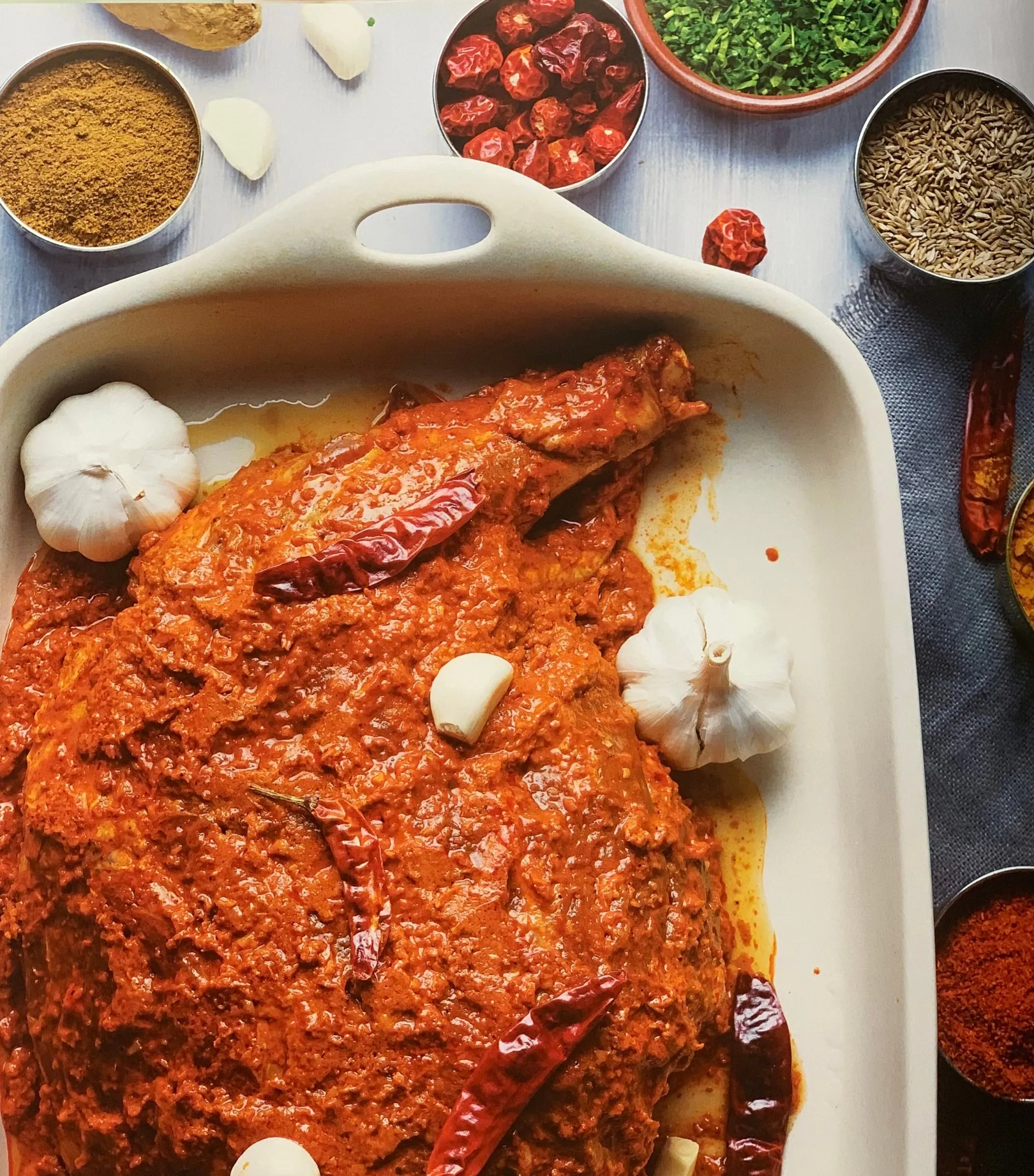
A leg of lamb lies on a carpet in Tehran, golden brown, still breathing out its heat. Saffron is in the steam, and garlic, and one more note I cannot name. Outside, the evening call to prayer rolls over the city. Persian raan is a roasted leg of lamb marinated in deep spices, and that night it taught me that a plate can also be a story.
I had met Firoz that afternoon in the crowded market, between stalls of saffron and turquoise. He sold lamb for a living. He told stories by nature. He took one look at my foreign palate and invited me home, promising a meal I would not forget. I did not try to refuse.
Now I sat cross-legged on his carpet while he carved.
“Raan is not only a dish,” he said. “It is an inheritance.”
What does a family keep, when it keeps a recipe?
The way Firoz tells it, the dish goes back to the time of Cyrus the Great, to royal feasts and victories in the field. After a great win, the story runs, Persian kings held grand banquets, and raan, with its size and its weight on the platter, was kept for those nights: the strength of the empire carried in on a tray.
His great-grandmother, he said, had cooked in the Shah’s palace. Once she was asked to make a meal worthy of the greatest victory of all, a united Persia. She chose the leg of the lamb, for strength and for staying power, and marinated it in herbs from every corner of the land. In his telling, the dish became a map of Persia you could carve.
“The secret,” Firoz said, leaning closer, “is in the marinade.”
The note I could not name was dried rose petals from the gardens of Shiraz. They were there for their perfume, and for what they meant. Roses run all through Persian poetry, and in the marinade they stood for the soft side of the empire, the counterweight to its armies. Power and poetry, held in one bowl of spice.
I took a bite. The lamb gave way under the teeth. The spices were deep, and under them the rose arrived slowly, the way a scent reaches you from another room. It tasted like being let in on a family’s memory.
A guest who is fed before he is asked his name is already part of the story.
Firoz went on with tales of his ancestors, of war and peace, of feasts and lean years. The raan sat between us, half carved, an old era still warm on the plate. The embers burned low. The city outside grew quiet, one window at a time.
Somewhere in that long evening I understood it had never really been about the lamb. Food can carry a people’s pride long after the hunger has gone. A leg of lamb, roasted slowly, can hold a country’s heart.
I found many things in Iran. That night with Firoz is the one that stayed: the knife moving through the meat, the stories coming with every slice. A culture can be read in its monuments and museums. It is warmer read from a plate, on a carpet, with the last of the rose still rising from the bone.
Persian Raan
- Serves
- 5-6
- Time
- 2.5 hr
- Difficulty
- Medium
Ingredients
Method
- Mix all marinade ingredients, with one cup of yoghurt initially. (you can add more to make it an easy consistency, like a grainy cake batter). Add Kashmiri chili powder for punch. It needs to be marinated 24 hrs before, no other tenderizer is required.
- Taste the marinade, should taste a bit high in salt and masala.
- Make deep piercing cuts with a sharp knife in the meat, stuff marinade in them, and cover the lamb in marinade. Rubbing it in well.
- Cover the dish with foil, leave in a cool place fr 24 hours. Let the salt and spices set in deep and well.
- Beat up the rest of the yogurt, and add to the dish. Mixing it all up, will bring the salt down, and soften it up, put some on the cuts, transfer everything to the dish you are going to roast in.
- Add baby potatoes, carrots, spring onions, and dried apricots around the lamb. Leave for a couple of hours.
- Heat oven to 250 degrees or hot setting.
- Add a cup or more of boiling hot water to the roasting dish. Cover tightly with foil
- Cook for 1.2 to about 1.5hours, check the lamb with a knife if it goes through without resistance. It may need a little more time depending on the weight of the lamb leg.
- Once done, remove from oven, keep covered, and let it sit for half an hour.
Notes
- Different folks prefer their own source of lamb. New Zealand lamb has always been a favorite of ours. Ask the butcher to strip the top layer of fat, and to remove some chunks of fat from in between the meat. They should also make a cut in the joint, so you can bend the bone.
- Serve with a garnish of choice as u, please. Rosemary and Lemon slices go very well. Carve on the table, and serve with gravy from the dish, or bisto on the side!
From Fig & Ginger: https://www.figandginger.com/recipes/persian-raan/
You might also make
Mutton Keema, from a Delhi Alley to New York
Indian, 1hr

Indian Spiced Yogurt Dressing and the Spice Sages
Indian, 1 hour 5 mins

Kashmiri Masala from Abba's Shop in Srinagar
Indian