
What Soldiers Eat, from Hardtack to Energy Bars
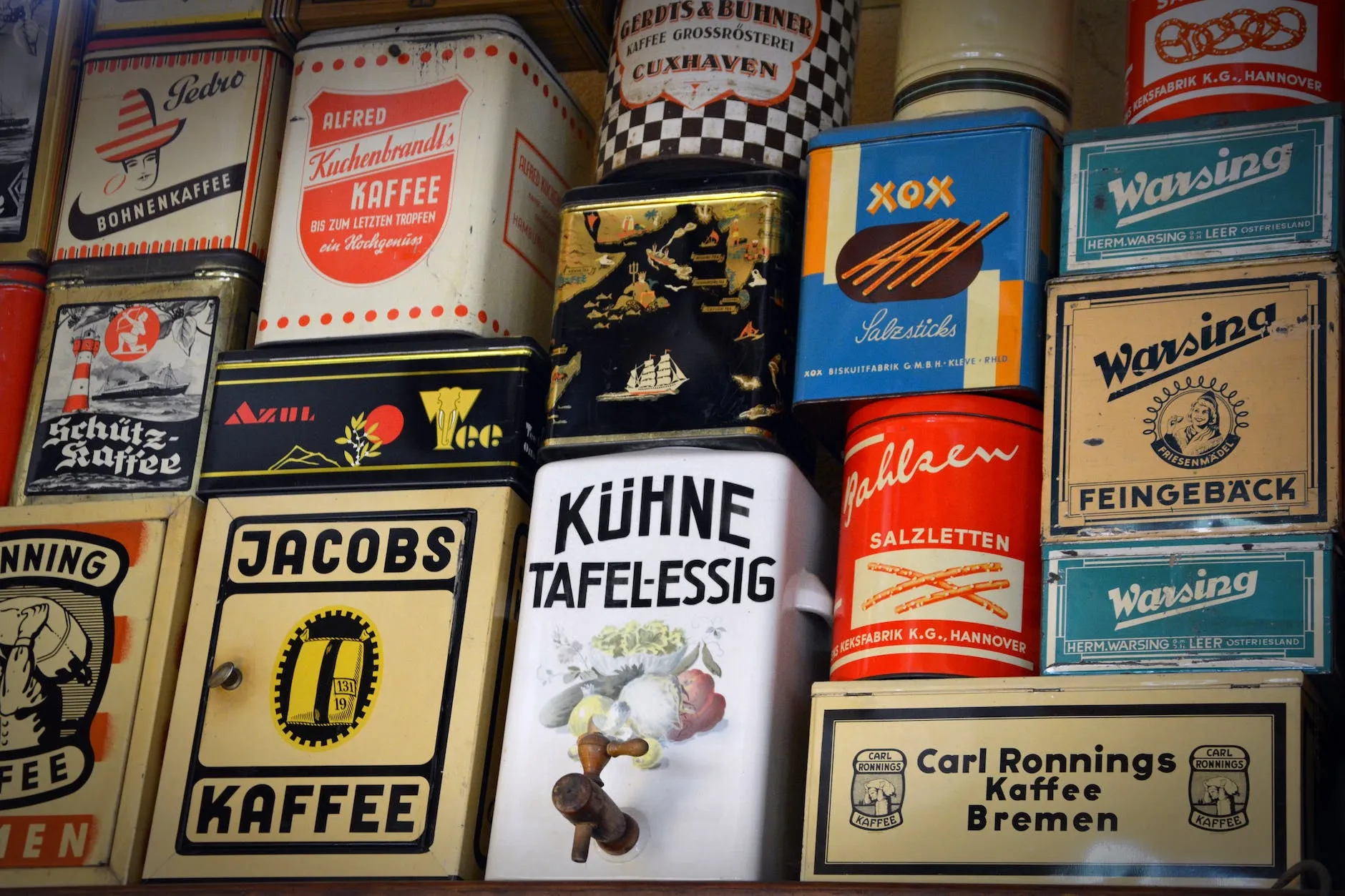
A tin cup of coffee steaming at dawn, a biscuit hard enough to crack a tooth. Food has always been a large part of a soldier’s life, the thing that keeps the body going while the work goes on. Across the ages, how armies found their food, cooked it and ate it has changed a great deal, shaped by the tools, the roads and the customs of each time and place.
Ancient armies often fed themselves by foraging and plunder, living on whatever they could find or take from the people around them. Supply was thin and never certain, and that uncertainty weighed on soldiers and commanders alike.
As civilizations grew, armies found more orderly ways to feed themselves. Some relied on provisioning, with food gathered from local sources and brought out to the soldiers in the field. Others were self-sufficient, each soldier carrying his own food and kit on the march.
One of the biggest changes was the ration system, which gave soldiers a steady and predictable supply of food. Rations were usually built to be compact and easy to carry, and they often held preserved and long-keeping foods such as dried meat, hardtack (a hard biscuit) and preserved vegetables.
Over time, what went into a ration changed with culture and technology. In recent times, better ways of processing and preserving food have let armies add a wider range, including fresh fruit and vegetables, meats and dairy.
Cooking and eating changed too. Ancient armies mostly cooked over open fires or simple hearths, with plain tools and plain methods. Later armies brought better equipment along with them, including portable ovens and stoves.
Today, military food usually comes through a mix of local and central sources, and is often prepared and served in specialized settings.
What an army eats depends on many things: the culture, the climate, the supply lines and the resources of the region where it is working. In general, rations are meant to give soldiers a balanced diet that meets their needs and keeps body and mind in working order.
Some of the foods a ration might hold:
- Dried and preserved meats: jerky, cured meats and canned meats, made to travel well and keep for a long time.
- Hardtack and other grains: hardtack is a hard biscuit of flour and water, a staple of rations in many countries. Rice, pasta and oats may also go in.
- Dried and preserved fruits and vegetables: dried fruit, canned vegetables and pickles, made to travel well and keep for a long time.
- Canned and packaged goods: canned soup, beans and vegetables, along with packaged things like instant noodles and energy bars.
- Beverages: water, sports drinks and energy drinks, and hot drinks like coffee and tea.
- Specialized items: high-energy gels and bars, made for a quick lift of energy and nutrients.
Whatever the era, the aim of a ration stays the same: food that gives a soldier the strength to do the work and stay well, and that rides easily in a pack. A long road runs from the foraged field to the foil packet. At the end of it there is still a tin cup, and still the steam rising at dawn.