
Butter, as Old as the Table Itself
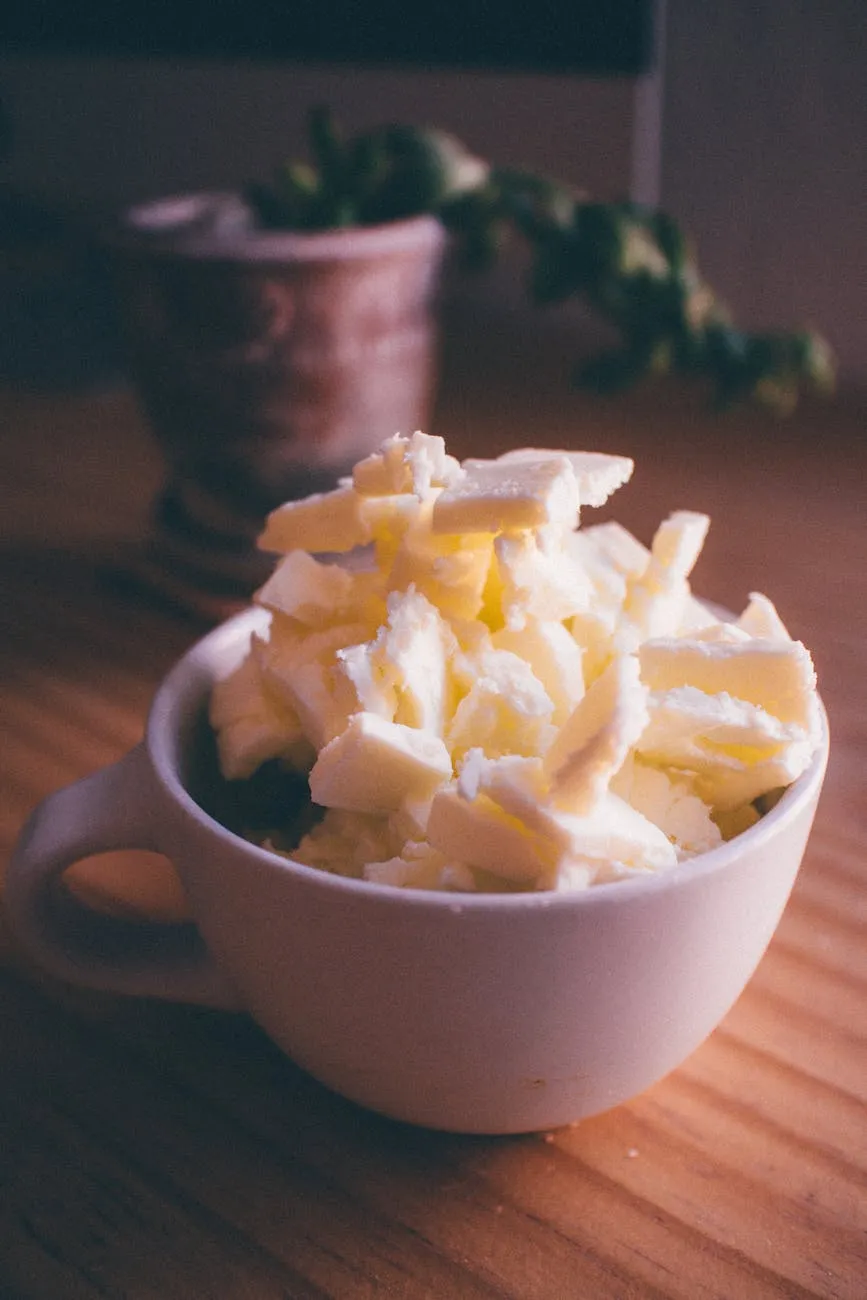
A pat of butter going soft on warm bread, the edges turning clear first. Small as it is, butter has been a staple of European cooking for thousands of years. From the oldest civilizations to the present day it has held a place in the diet, the customs and the purse of many European countries.
One of the earliest recorded uses of butter comes from ancient Egypt, where it served as a cooking fat and as a balm for the skin. From there it travelled to other parts of the world, Europe among them, where it soon became something worth trading.
In Europe butter was traditionally made from cow’s milk, though in some regions it came from the milk of goats, sheep, and even yaks. The method is simple and slow. The cream is separated from the milk, then churned until it gathers into a soft solid. For centuries this was done by hand with a wooden churn, and later by machine.
For most of its history butter was a luxury, because of the time and labor it asked of whoever made it. Often it stayed on the tables of the wealthy, since poorer households could not afford it. As farming and dairying grew more efficient, butter came within reach of every class.
Butter did far more than fry. It was spread on bread and other baked goods, worked into sweets and pastries, and set beside savory dishes such as roast meat and vegetables, a condiment as much as an ingredient.
Its most famous work in Europe is the flaky pastry: the croissant, the puff pastry, the Danish. Butter folded into dough, again and again, and then the oven pulls the layers apart. These pastries are now staples of European baking, eaten all over the world.
Butter has also mattered to the money of many European countries, with its making and trade a main income for many farmers and producers. Butter was once among the chief exports of Denmark and Ireland, and it still adds a good deal to their economies today.
Beyond the kitchen, butter has long been used as medicine. People believed it carried many health benefits, and it was often applied to one ailment or another.
Today Europe offers many kinds of butter, from unsalted to butter flavored with herbs and spices. Among the most popular are salted butter, unsalted butter, and cultured butter, made from fermented cream, with a tangy, faintly sour taste.
For thousands of years, then, butter has sat close to the center of European life, from the first churn to the corner shop. It is still loved in many countries, and on tables far beyond them. The churn has changed. The gold in the dish has not.
Several regions of Europe are known for their butter. Some of the best known include:
- Denmark: Denmark is known for its high-quality butter, and is home to several famous butter brands such as Lurpak and Arla. Danish butter is known for its creamy texture and full flavor, and is widely available in Europe and beyond.
- Ireland: Ireland is known for its grass-fed cows and high-quality butter, and is home to the famous brand Kerrygold. Irish butter is known for its yellow color and rich, creamy flavor, and is widely available in Europe and beyond.
- France: France has a long tradition of butter making and is known for butter of high quality and deep flavor. French butter is made from cow’s milk and is aged for at least three weeks to give it a distinct, rich flavor.
- Switzerland: Switzerland is known for its high-quality dairy products, including its butter. Swiss butter is made from cow’s milk and is known for its creamy texture and rich flavor.
- The Loire Valley in France: The Loire Valley in France is home to several famous butter houses, including Beillevaire and Marie-Anne Cantin.
Some of the best-known butter houses include:
- Beillevaire: Located in the Loire Valley in France, Beillevaire is a family-run butter house that has been making high-quality butter for over 100 years. They use traditional methods and offer a range of flavored butters such as garlic, herbes de Provence, and truffle.
- Lurpak: Lurpak is a Danish brand of butter known for its creamy texture and high-quality ingredients. It is made from cow’s milk and is aged for at least three weeks to give it a distinct, rich flavor.
- Kerrygold: Kerrygold is an Irish brand of butter made from the milk of grass-fed cows. It is known for its yellow color and rich, creamy flavor, and is widely available in Europe and beyond.
- Land O’Lakes: Land O’Lakes is an American brand of butter that is widely available in Europe. It is made from cow’s milk and is known for its smooth, creamy texture and its range in cooking and baking.
- Plugrá: Plugrá is an American brand of butter made from European-style cream, churned longer to make a denser, more flavorful butter. It is known for its rich, creamy texture and is widely used in professional kitchens.