
Why Champagne Must Come from Champagne
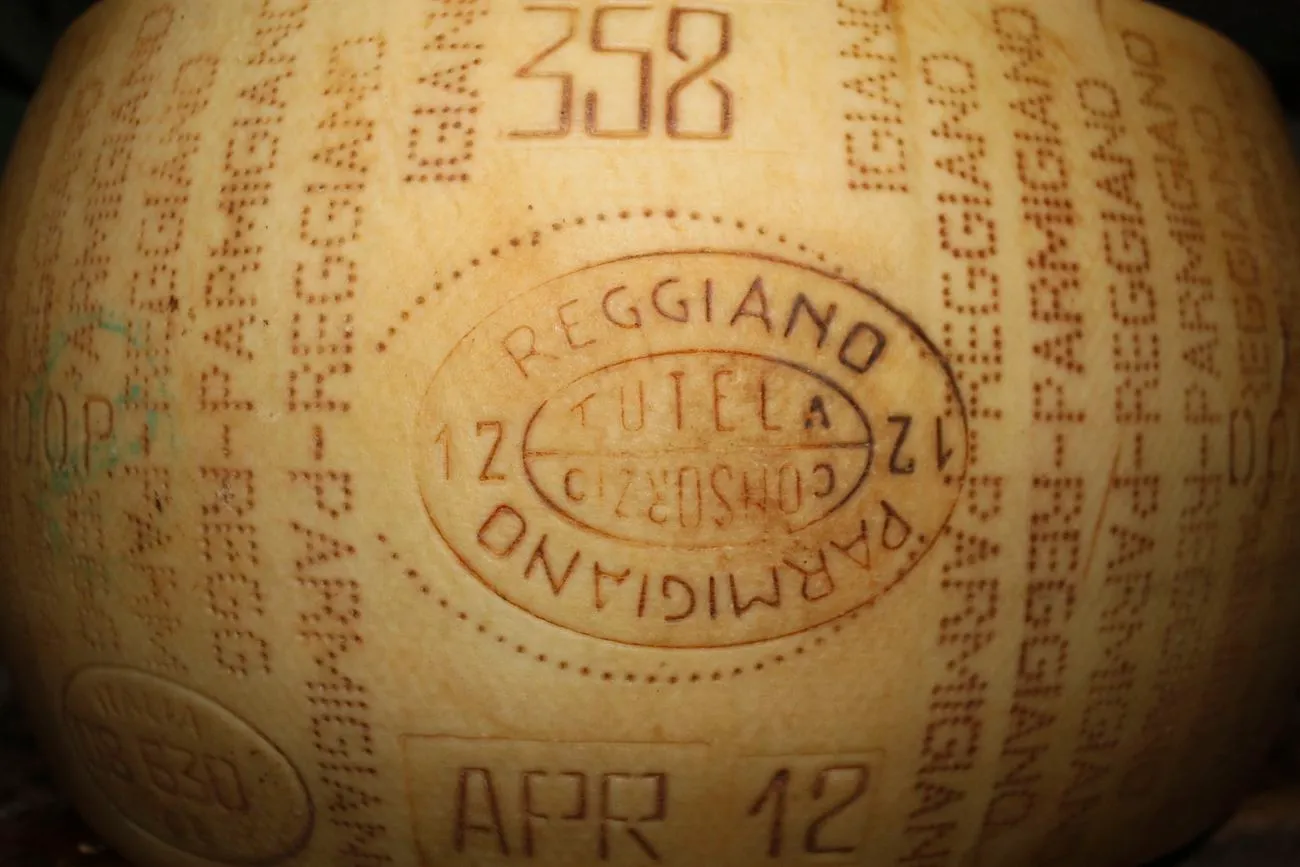
A wheel of cheese, a bottle of wine, a leg of cured ham. Each carries the name of a place, and the World Trade Organization (WTO), the international body that helps run and regulate trade between countries, has rules about where that name may travel. Some of those rules concern food origin: the place where a food is grown, raised, or made. The reasons for them fall into three groups, economic, health, and environmental.
- Economic reasons:
- Trade in food is a large part of the world economy, and the WTO plays a central role in keeping it moving. Rules on food origin help countries trade fairly and see clearly what is crossing their borders. That clarity lowers the risk of trade disputes and protects importing and exporting countries alike.
- Rules on food origin can also give small and medium-sized enterprises (SMEs) a fairer field. Without them, large companies could use their size and money to crowd everyone else out of the market. By setting standards for origin, the WTO helps keep room at the counter for the smaller producer.
- Origin rules also protect the intellectual property of food producers. Some foods, such as champagne or Parmesan cheese, are protected by geographical indications (GI), which means only products made in certain regions may use those names. Rules on food origin enforce these GIs and stop the names from being borrowed without leave, which would confuse shoppers and mislead them about where a product truly comes from.
- Health reasons:
- Rules on food origin help make sure food is safe to eat. Countries hold different food safety standards, and the WTO helps bring those standards into line so that food traded across borders meets them. This protects people from foodborne illness and the other risks that come with unsafe food.
- Origin rules can also keep disease from spreading through the food trade. If a country has an outbreak of foodborne illness, for example, the WTO can put rules in place to stop it moving through international trade. That protects people in other countries and lowers the risk of a global outbreak.
- Environmental reasons:
- Rules on food origin can encourage farming and food making that are kinder to the land. The WTO may, for example, set standards for pesticides and other chemicals in food production, or for the treatment of animals raised for food. Such rules help protect the environment and keep harm to it as small as possible.
- Origin rules can also cut food waste and make better use of resources. The WTO may set standards for how food is packed and shipped, so that less is thrown away and the journey costs the earth less.
Many well-loved foods have been shaped by the WTO’s rules on food origin. A few of them:
- Champagne: Champagne is a sparkling wine that can only be made in the Champagne region of France. WTO rules on food origin protect its geographical indication (GI), so only sparkling wine from that region may be called Champagne.
- Parmesan cheese: Parmesan is a hard, aged cheese that can only be made in certain regions of Italy. Like Champagne, it is protected by a GI, so only cheese from those regions may be called Parmesan.
- Tequila: Tequila is a spirit that can only be made in certain regions of Mexico. WTO rules on food origin protect its GI, so only liquor from those regions may be called Tequila.
- Feta cheese: Feta is a soft, crumbly cheese that can only be made in certain regions of Greece. WTO rules on food origin protect its GI, so only cheese from those regions may be called Feta.
- Prosciutto di Parma: Prosciutto di Parma is a cured ham that can only be made in the Parma region of Italy. WTO rules on food origin protect its GI, so only ham from that region may be called Prosciutto di Parma.
These are only a few. Many other wines, cheeses, and foods are protected by GIs too. Pour the glass or cut the cheese, and the name on the label still points home.
Learn more about TRIPS - Trade Related Aspects of Intellectual Property Rights