
How Food Remembers When We Forget
Somewhere in a forgotten corner of the world there is a saying: “When we eat, we commune with the dead.” It sounds grim said plainly, doesn’t it? Stay with me a moment. Set aside the fine dining, the plates arranged for a photograph, the newest fad on the menu. We are not going there today. We are going to the idea of food as the spirit of a culture, the pulse of people long gone, still beating in the plates we love now.
When I stepped into Signora Bianchi’s kitchen in a small Tuscan village, the smell of ragù came up to meet me at the door. It had been simmering for hours. This was no ordinary ragù. The recipe had come down from the Renaissance, from a time when art and food sat at the same table. As she stirred, she was not only blending flavors. She was stirring up the old stories of art and love and a people waking up, stories that had run through her family all the way to her wooden spoon.
In Morocco I drank harira from an old vendor deep in the winding medina of Marrakech. Each bowl, thick with tomatoes and lentils and warm with spice, holds a chronicle. Some say it carries the endurance of the Berbers. Others say it is the whole Moroccan landscape in one pot. Every spoonful carries trade and custom and the long thread between them.
Cultures all over the world keep these memories you can eat, dishes that do more than feed. The Passover Seder remembers the flight from Egypt. In Scandinavia, fermented herring remembers hard winters and the old ways of keeping food through them. These dishes stand like monuments, raised to times and people and stories.
In Spain, over a glass of tempranillo, people told me about grandparents who lived through the Civil War and found comfort in dishes like patatas a lo pobre. Potatoes, oil, a little onion. Even now that plainness carries the stubbornness of a people who would not bow.
It is not only about hard times. It is about feasts and love and joy. In Mexico, tamales and mole carry Aztec emperors, Spanish arrivals, and centuries of fiestas. Every hot, rich bite holds a whole civilization’s history and its pride.
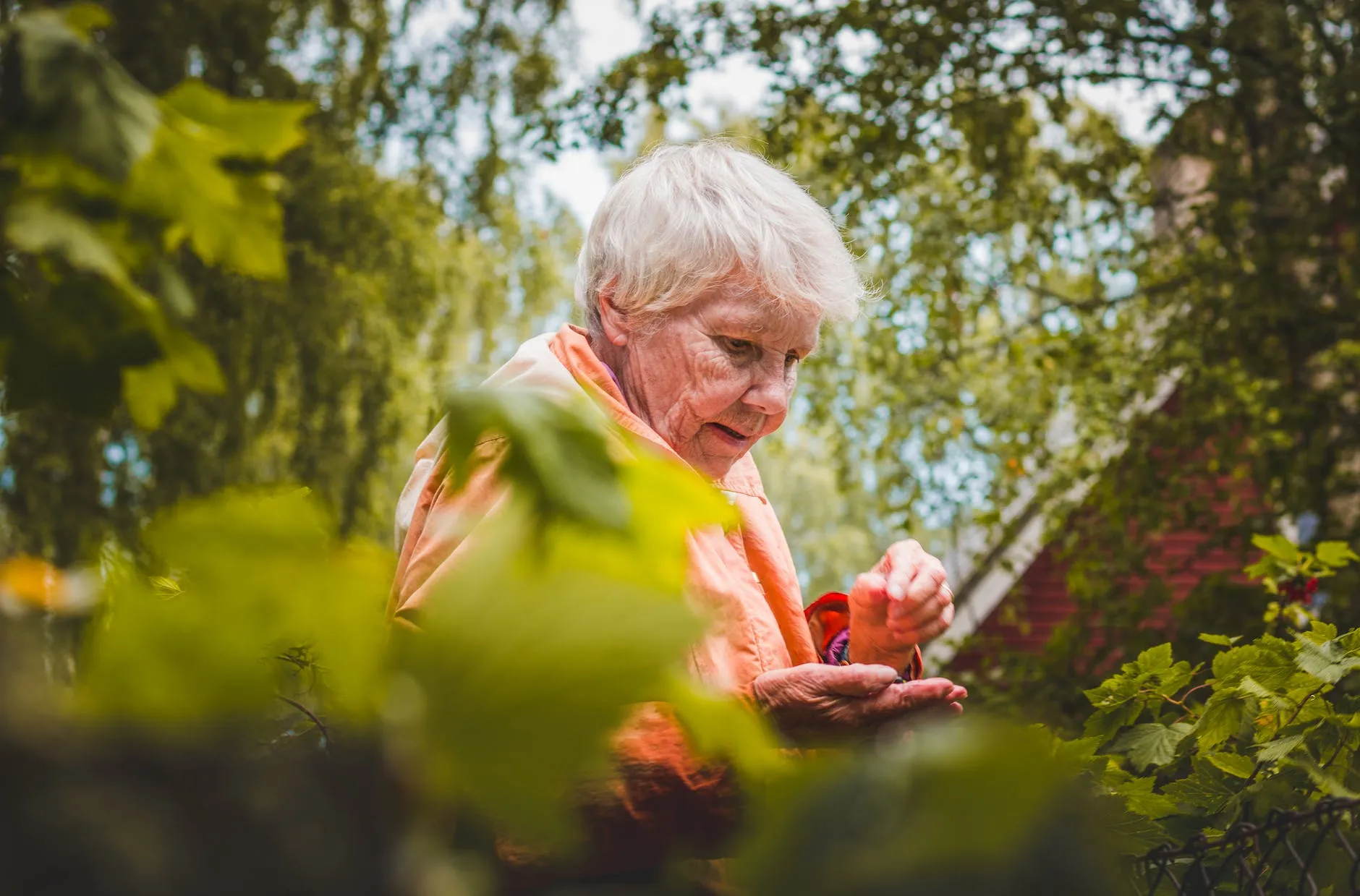
Here is what I have come to believe about food as memory. When we cook the old way, we call up the people who cooked before us. Your abuela lives on in the empanadas you fold. Your ancestors stir again in the wine you ferment. The nerve of every earlier age rises in the rough loaf you pull from the oven.
Now we have sushi pizza in the headlines (the nerve of it!) and fast food chains on every corner. Could the old recipes fade? Possibly. Yet in all this modern noise we are making new stories of our own. Maybe, years from now, someone will taste something we made and feel close to us, to our struggles and our joy.
So the next time a plate is set in front of you, wait a moment. Close your eyes. Taste the stories cooked into it, the fights and the passion and the gladness. Somewhere in that bite a stranger is still standing at a stove, stirring, waiting for you to arrive.
Eat well, remember more.