
Rum, from Molasses to Revolution
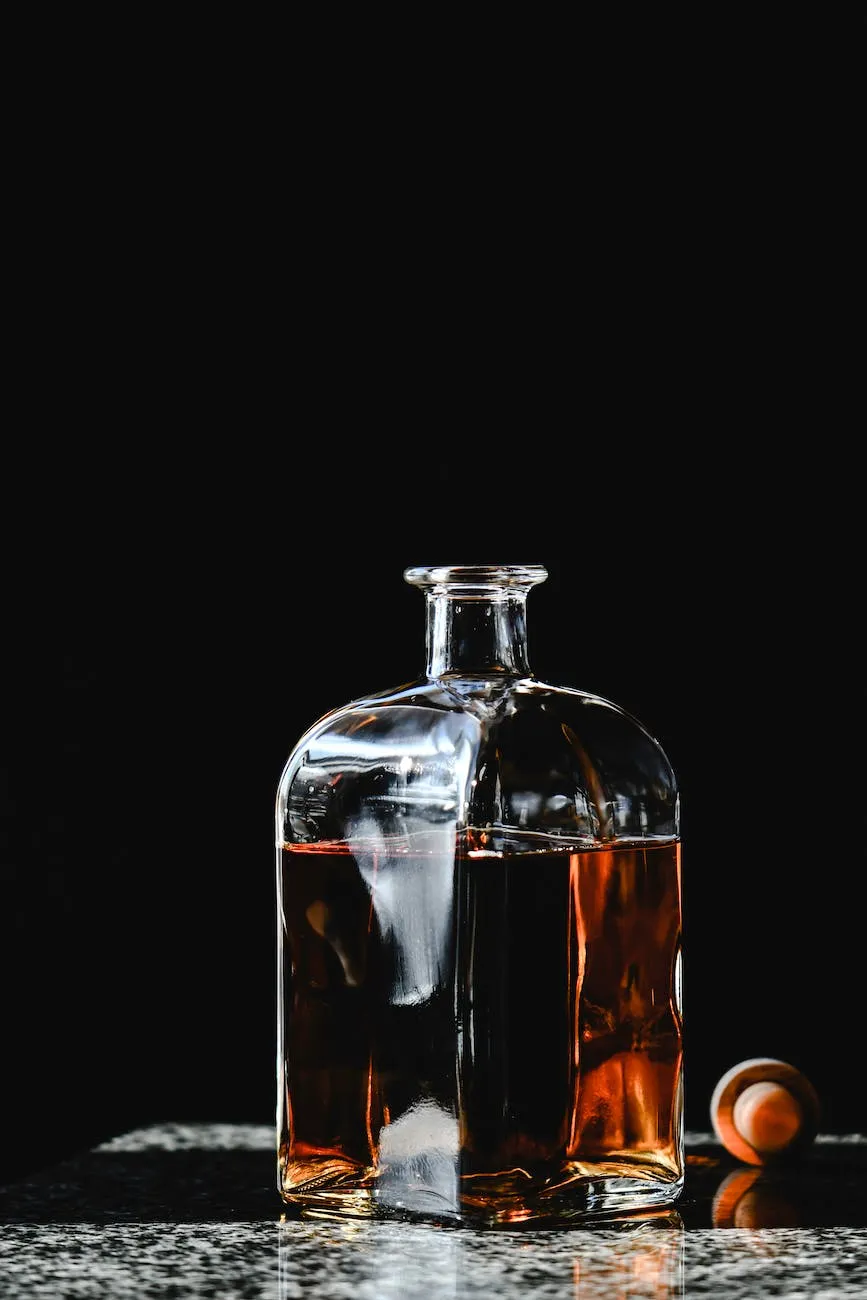
Rum begins as what sugar leaves behind: molasses, or the juice of the cane itself. It is an old spirit, with roots that go back centuries, and its past is a revolutionary one that helped shape the world we live in now.
The story starts with the early days of sugarcane in the Caribbean. Sugar was a precious commodity in the early modern period, and growing cane took a great many hands. Those hands belonged to enslaved Africans, brought to the Caribbean to work the sugar plantations.
Refining cane leaves behind molasses, thick and dark and slow to pour. In the early days of sugar it was counted as waste and often thrown away. In time someone found that molasses could be fermented and distilled, and what came out of the still was rum.
Rum caught on quickly in the Caribbean and became a large part of the region’s economy. It was also a key commodity in the transatlantic trade, where rum was traded for enslaved Africans, who were carried in turn to the Caribbean to work the sugar plantations. This trade, known as the “triangular trade,” was a major force in the growth of the British and other European empires in the early modern period.
Rum was more than cargo, though. It sat at the center of Caribbean social and cultural life. Plantation owners drank it and so did the enslaved workers, and it often served as a form of currency. Rum was tied closely to the growth of Caribbean music and dance, too, with rum shops serving as gathering places where people came to drink, dance and talk.
During the American Revolutionary War (1775-1783), rum had a real part in the conflict. It was an important commodity in the British colonies, and the British government placed high taxes on it to help pay for the war. The colonists were outraged. They saw the taxes as an attempt to run their lives and wear down their independence. The protests and boycotts that followed did much to bring on the Revolution, and rum sat at the center of the making of the American nation.
After the war, rum stayed an important commodity in the newly independent United States. People drank it, and it still passed from hand to hand as currency. In the 19th century, though, rum production began to fall away as other spirits, whiskey among them, took its place in the glass.
Today rum is drunk all over the world, made in many styles and flavours. It is no longer bound to the transatlantic slave trade and the sugar industry, but it still carries the cultural and economic history of the Caribbean and the wider world. Raise a glass of it and you are holding the leftover that outlasted the empires.