
Setting a Table for People You Have Just Met
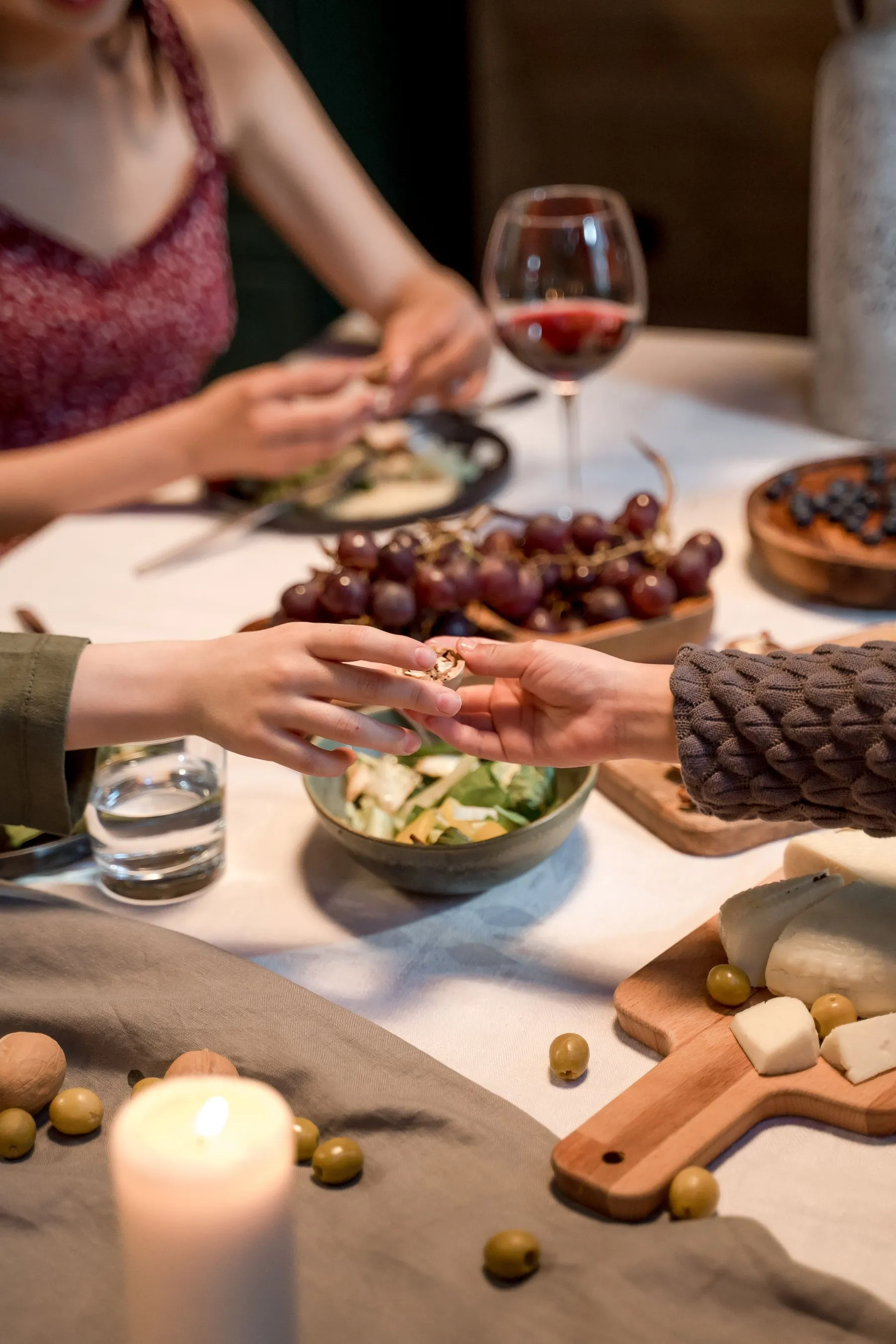
The doorbell goes at ten past seven. You have a pot on the stove, a bottle open on the counter and a name you heard once at a party and are now not sure of. Six people are coming. You know two of them.
Every host has felt that minute in the hall before the door opens. What do we owe the people we have only just met?
An old rule from the oldest stories
The Greeks had a word for the bond between a host and a guest: xenia. In Homer’s Odyssey, strangers who arrive at a door are given a seat, water to wash, food and wine, and only then asked their names. Feed the guest first. Ask questions later.
The rule has a reason. A hungry person is not yet a guest, only a traveller. Food is how a stranger becomes someone at your table. Our own word for it says the same thing. Companion comes from the Latin for the one you share bread with.
Cook the dish that waits for you
The worst place for a host is at the stove with their back to the room. Choose food that can be finished before anyone rings.
- A braise: lamb shoulder, short ribs, chickpeas with greens. It holds in a low oven for an hour and tastes better for the wait.
- One big tray: a roast chicken over potatoes and onions, carved at the table.
- A cold start: a board of bread, cheese, olives and something pickled, out on the table before anyone arrives. It gives nervous hands a job.
- A pudding made the day before: a tart, a set cream, poached fruit. Nobody needs a souffle from someone they have just met.
If a dish needs you in the last ten minutes, there should be only one of them.
Put the bread on first
Set the table completely before the first guest arrives. Glasses out, water poured, bread already cut. A finished table tells people they were expected. A half-laid one asks them to help, and strangers do not know where your forks are.
Serve family style. Dishes passed hand to hand do more for a room than any plated course. A guest who asks for the potatoes has started a conversation. By the third pass, the person beside them has a name.
Seat people, do not let them land
Left alone, guests sit beside the person they came with. Gently break that up. Put the quiet friend next to the generous talker. Put the two people who share an unusual job, or a home town, or a love of the same terrible film, within reach of each other.
When you introduce someone, give one detail with the name. “This is Sam, who has just come back from Lisbon.” A name is easy to forget. A city gives the next person somewhere to start.
Let the drink be simple
One good red, one white, one sparkling water and something without alcohol that is more than an afterthought. A jug of iced tea with mint or a pitcher of lemonade made with sumac is enough. Pour the first glass yourself. After that, leave the bottles on the table and let people serve each other. A guest who fills a neighbour’s glass is no longer a stranger to them.
Leave the last hour alone
Do not wash up while people are still sitting. The best talk at a dinner comes late, after the plates are pushed back and the candles are low. Put coffee on, bring out a bowl of clementines or a piece of hard cheese, and sit down. The kitchen can wait until morning.
The door at the end of the night
It is past midnight. The same door, the same hall, coats being found and handed over. The two people you did not know are swapping phone numbers on the step. The pot is empty and the bread is gone to crusts. The table you set for strangers is now covered in the evidence of friends.