
Turkish and Greek Coffee, Two Small Cups of History
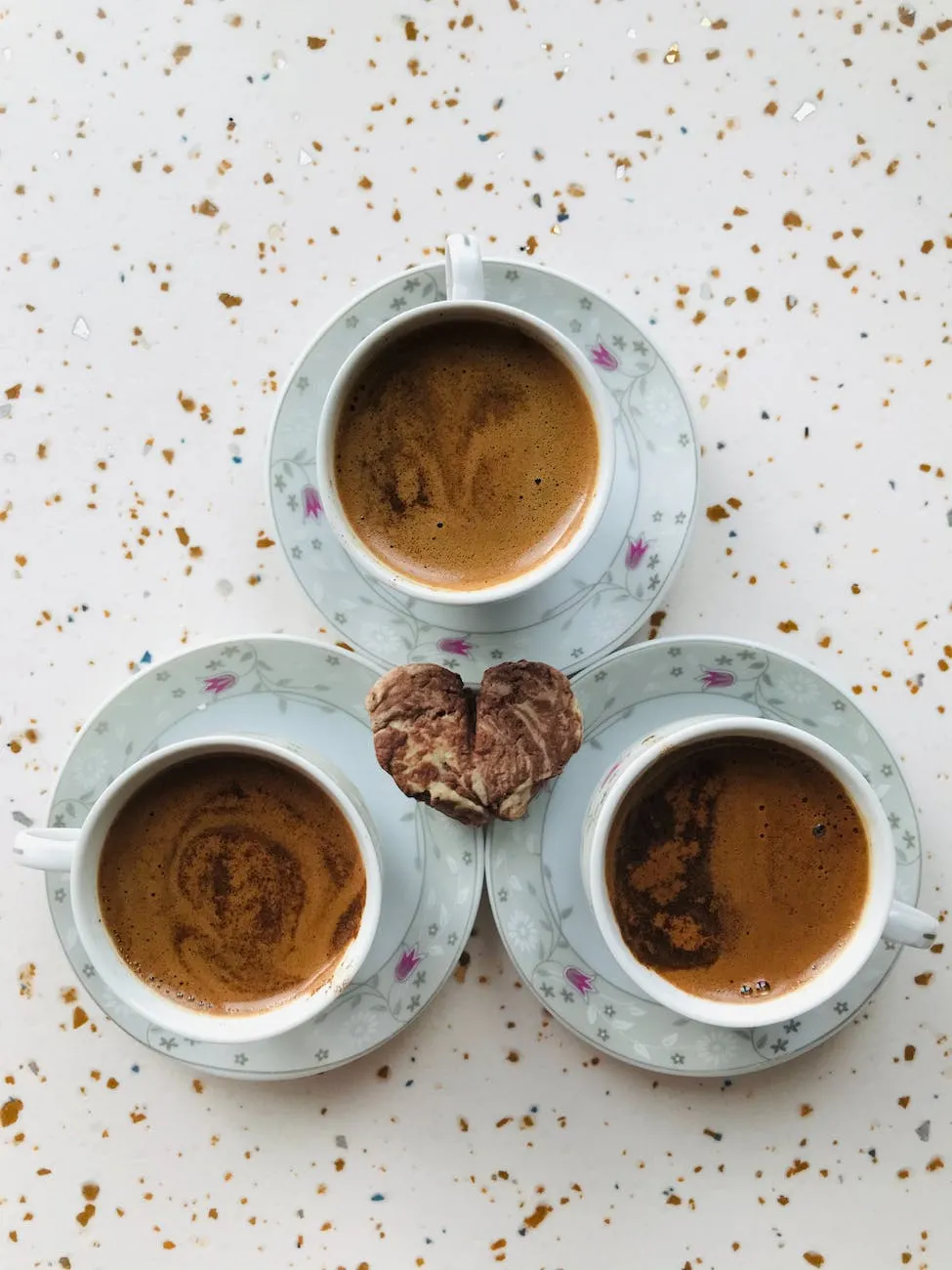
A small copper pot, a spoon of fine grounds, a low flame. Turkish and Greek coffee both come out of centuries of habit, and both have become famous far beyond home. They are strong, full in the mouth, and made in their own particular ways. They share a great deal. They are not the same.
The first difference is the bean. Turkish coffee is usually made with Arabica, mild and refined, and it asks for a very fine grind. Greek coffee more often uses Robusta, which is stronger and more bitter. In both cups, the care starts long before the water does.
The second is the brewing. For Turkish coffee, the fine grounds go into a cezve with water and sugar and are simmered slowly over a low heat until the coffee is as strong as it should be. For Greek coffee, the grounds, water and sugar go into a briki, the Greek coffee pot, and are brought to a quick boil over high heat. Then the pot comes off the flame and the coffee is left to settle.
The third is the serving. Turkish coffee comes in small cups called fincan, which hold about three ounces. The thin foam that rises in the pot is spooned into the cup before it is served. Greek coffee comes in demitasse cups of about two ounces, and often without foam. A glass of ice water usually sits beside it, for rinsing the mouth after the last sip.
Beyond the pot and the cup, both coffees are part of how their countries live. In Turkey, coffee belongs to social life and often marks the important days and turning points. In Greece, where the roots of coffee run just as deep, it is more often a quiet ritual, a cup for slowing down.
For all their differences, the two share strong flavor and a way of making that cannot be rushed. They open a window onto the long history of the Middle East, and coffee lovers everywhere have come to care for them.
War and upheaval have not shaken either coffee from its place in its country’s story.
In Turkey, the habit goes back to the 15th century, when Sufi teachers brought coffee in. It soon became a favorite pleasure of the Ottoman ruling class. In hard times it was a comfort, and at military posts it gave soldiers a moment of rest and company.
Greek coffee has its own long story, and at times it stood quietly against those in power. During World War II, when Greece was occupied by the Axis powers, coffee became hard to find. People held on to it anyway. A cup in the morning was a small act of refusal. After the war, coffee was part of how Greece got back on its feet, and it is still at the center of Greek life.
In both countries, coffee long ago stopped being only a drink. It is there whenever people gather, and it gives them a reason to sit down together and stay. A cup is poured, the grounds settle, and two people who might have walked past each other are suddenly talking. The grounds go to the bottom. The conversation rises.