
Tagine, the Moroccan Pot That Keeps Its Steam
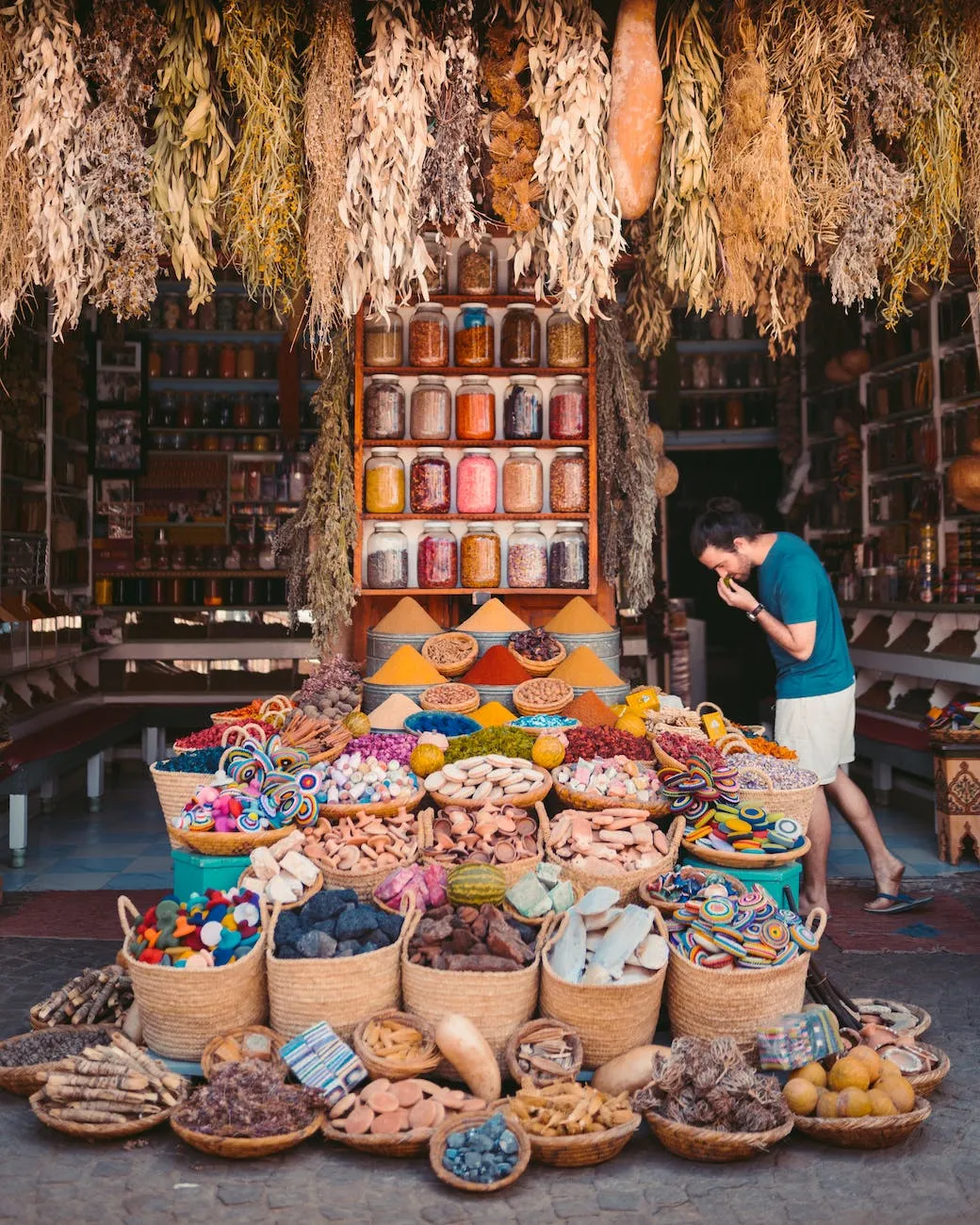
A clay pot with a tall cone for a lid sits over a low flame, and the kitchen slowly fills with cumin. In Morocco the dish and the pot share one name: tagine. Meat, vegetables, and spices go in, the lid comes down, and the heat stays low for a long time. It usually comes to the table with couscous, the small steamed grains of semolina.
The tagine sits at the center of Moroccan cooking for good reasons. The first is that it will take almost anything you give it: lamb, chicken, beef, or a pile of vegetables. That makes it as welcome on a Tuesday as at a wedding.
The pot also suits the climate and the way Moroccans cook. Steam rises into the cone, cools, and runs back down onto the food, so nothing dries out and the meat turns tender. The clay holds its heat, too, and keeps the dish warm long after it leaves the fire. A lid that gives back what it takes is a lesson in good housekeeping.
Most of all, the tagine belongs to the table. It is often set down in the middle for everyone, and people reach in and scoop what they want onto a platter or a plate. To share a tagine is to be welcomed, and that welcome is the heart of Moroccan hospitality.
There are many kinds of tagine, each with its own ingredients and flavours. Some of the most common:
- Chicken tagine: The classic, made with chicken, olives, and preserved lemons, and often served with couscous.
- Lamb tagine: A hearty pot of lamb, vegetables, and spices such as cumin, coriander, and paprika. It often comes with couscous or bread.
- Vegetable tagine: A meatless version with zucchini, bell peppers, eggplant, and the like, usually seasoned with cumin and coriander.
- Fish tagine: Made with fish such as cod or haddock, often scented with saffron and other warm spices.
- Beef tagine: Beef cooked slowly with vegetables and spices.
- Fruit tagine: A sweet and savory pot of apricots, plums, and figs, often served as a dessert.
Each kind has its own blend of spices, and each tastes like itself. What goes into the pot changes from region to region and from family to family, depending on who is cooking and what their grandmother did.
If you are shopping for a good tagine, a few things matter:
- Material: Traditional tagines are clay, often glazed with a decorative finish. Clay is made for slow cooking and holds an even heat, but it is fragile and needs a careful hand. You will also find tagines in ceramic, enamelled cast iron, and stainless steel. These are tougher and easier to look after, though they may not hold heat the way clay does.
- Size: Think about how much food you will cook. A large tagine suits a big family or a crowd, while a smaller one is more practical for every day.
- Lid: Look for a lid that fits well, so the steam and heat stay in the pot while it cooks. The cone is traditional, but some modern tagines have a flat or domed lid.
- Handle: Notice where the handles sit. Some tagines have handles on the sides, others a single knob on top. Side handles are handy for serving, while a top handle can be easier to grip when you lift a heavy lid.
- Condition: Choose a tagine with no cracks or chips. If you are buying a used or antique one, look it over carefully for damage or wear.
Keep these in mind and you will find a tagine that serves your kitchen for years.
Plenty of companies make fine tagines. A few worth a look:
- Emile Henry: This French company makes a wide range of ceramic kitchenware, tagines among it. Their ceramic resists thermal shock and can go from the stovetop to the oven.
- Le Creuset: This French company is famous for enameled cast iron, and their tagines are no exception: sturdy cast iron with a glossy enamel finish, in a range of colours.
- All-Clad: This American company makes stainless steel kitchenware, including tagines built with a tri-ply construction for even heating.
- Staub: This French company is known for cast iron, and their tagines carry a matte black enamel finish that stands up to chips and scratches.
More stories

Arak, the Anise Spirit That Turns to Cloud
Middle Eastern
The Many Faces of Haleem
Indian