
How Migration Seasons the Local Kitchen
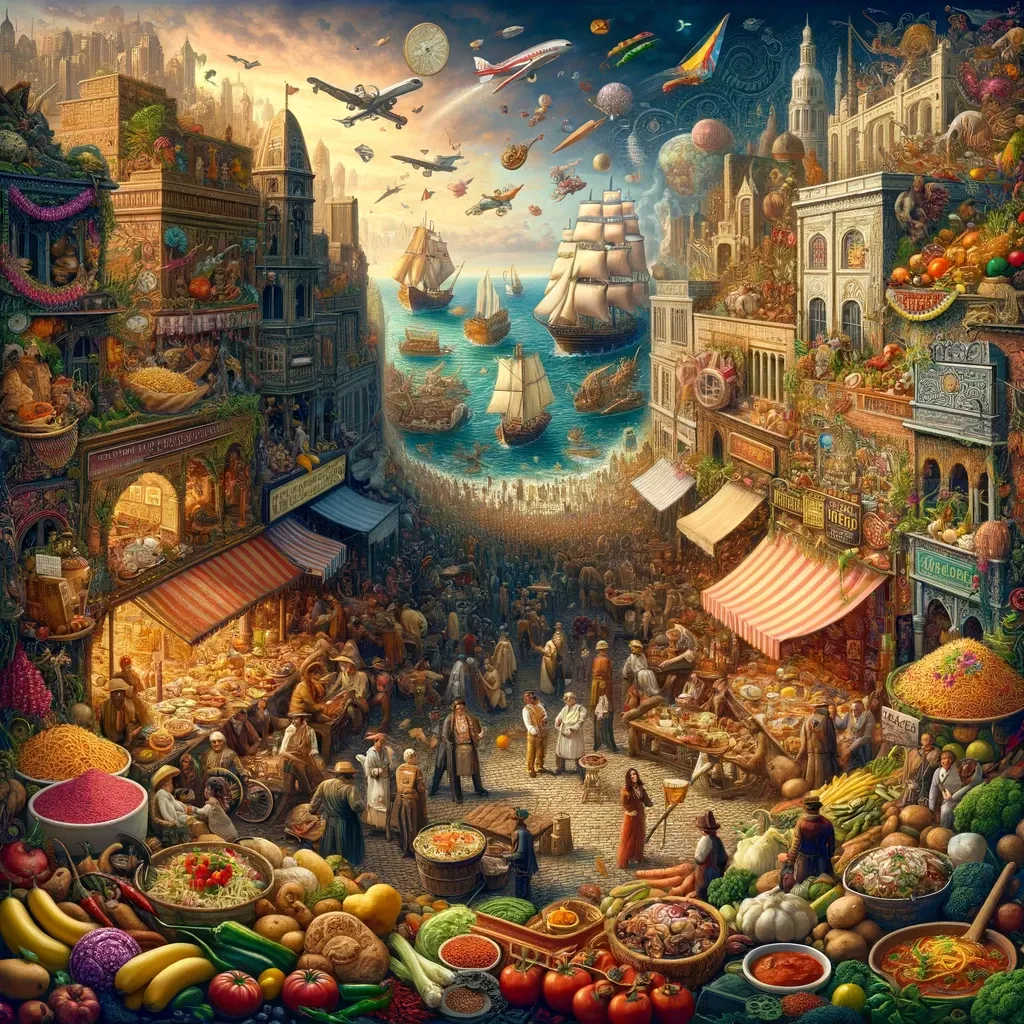
A plate of chicken tikka masala in an English pub. A Tex-Mex taco deep in Texas. Each one tastes of a road, of people who moved and the kitchens that met them when they arrived. Wherever people have travelled, explored, and settled again, they have carried their most private and most precious cargo with them: the food of home. That cargo, carried across borders, has reshaped local cooking everywhere, until the map of the world can be read off a dinner plate.
Old Roads, New Plates
History is full of explorers setting sail with unknown coasts in their heads. Beside the gold and silver, they carried, often without meaning to, spices, seeds, and recipes. Europeans sailing far from home brought potatoes, tomatoes, and chilies to Asian and African tables. In return they took home spices that would change European cooking for good. That trade laid the ground for a great rebirth in the kitchen.
Where Borders Blur
Food is often at its best where borders run together. When cultures mix, new dishes appear. The Chinese diaspora in America gave rise to American Chinese cooking, with its sweet and sour chicken and those ever-puzzling fortune cookies. In France, a North African accent turned up in things like flaky croissants stuffed with spiced lamb or merguez sausage.
Markets and Memories
A new country is a new start, but migrants bring the taste of home along, and it takes root in strange soil. Vietnamese families, seeking refuge around the world, introduced everyone to pho and banh mi. What began as a way to earn a living soon became part of how the whole world eats.
The Crowded Table
Food levels everyone. It is a bridge between worlds. As cities fill with people from everywhere, what they eat changes along with them. Food fairs, busy night markets, and odd little pop-ups turn into a festival of the world’s cooking, and a local can travel the globe in one evening without leaving the block.
Echoes of Home
For many who settle far away, food is comfort, a reminder of a country on the far side of the sea. Little Italys and Chinatowns grow up and keep old recipes alive, often bent a little toward local taste. These neighborhoods give migrants a piece of home, and they give everyone else a passport stamped in sauce.
Tastes on the Move
Migration changes what we crave. Yesterday’s strange ingredient is today’s supermarket staple. Sushi went from a Japanese delicacy to something you can find almost anywhere, carried by the wide Japanese diaspora and by the way food trends now cross the world overnight.
Food Arrives First
Before we hear a culture’s music or read its books or look at its art, its food usually introduces us. It speaks without words and opens doors. The smoky pull of a Middle Eastern kebab or the earthy warmth of Ethiopian injera can start a curiosity that ends in stories, traditions, and a shared human life.
People keep moving, the way rivers keep moving, and wherever they go the land turns green behind them. They bring their stories, their recipes, and the taste of where they came from, and the local table grows longer to make room. The world grows closer every year. Our plates will be the first to know.