
Campari or Aperol, Two Bitters at Sundown
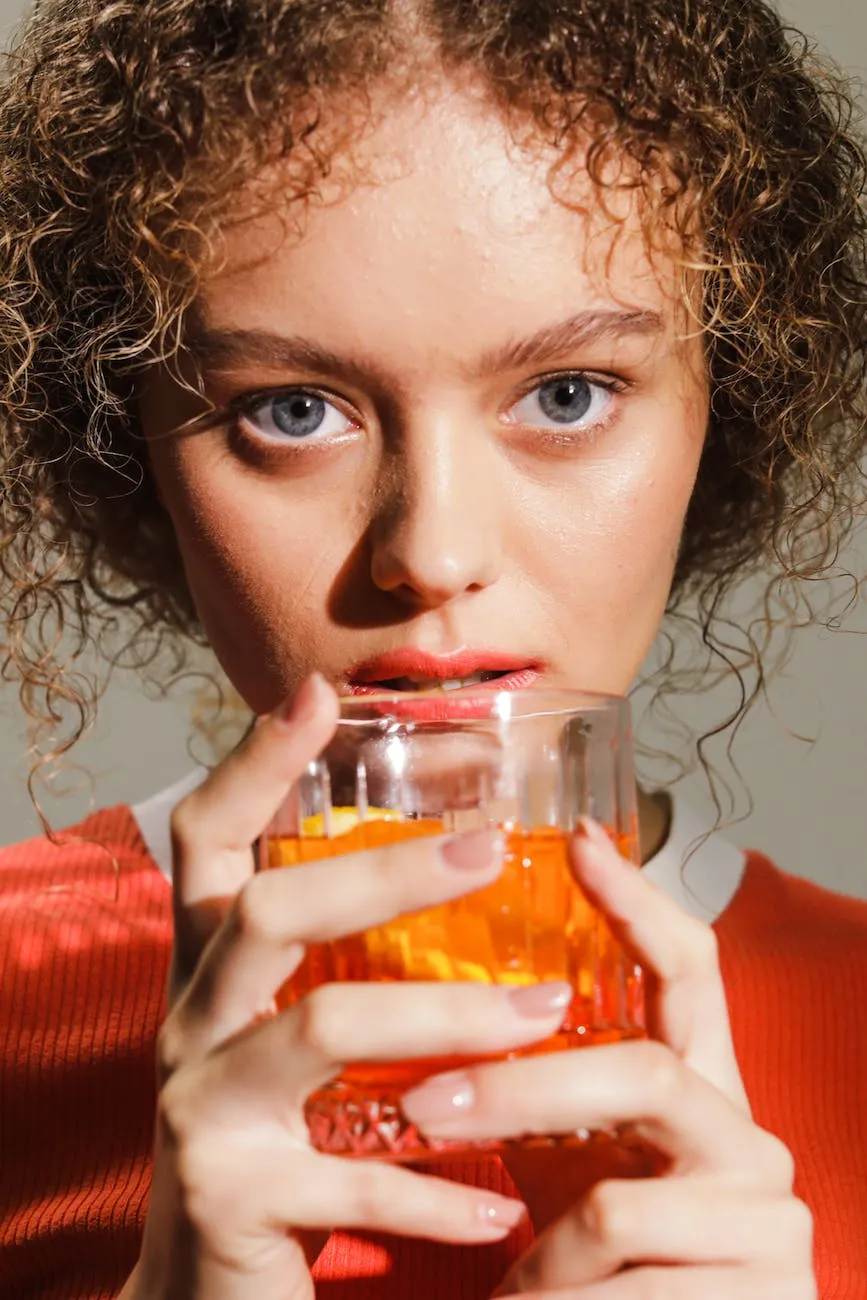
Evening in Milan. The light comes down the Galleria Vittorio Emanuele II at an angle, gold on the glass roof, gold on the mosaic floor. On a cafe table two glasses wait: one the red of a cardinal’s robe, one the orange of a late tangerine. Both are Italian bitters. Both belong to the hour before dinner. They are not the same drink, and they were never meant to be.
The red one
Gaspare Campari created his bitter in Novara in 1860. He was a bartender, and the recipe, a blend of herbs, roots and fruit peel infused in alcohol and water, is still a secret. In 1867 he opened Caffe Campari at the entrance to the new Galleria in Milan, and the smart set of the city came to drink it under the glass.
For almost 150 years the red had an unexpected source. It came from carmine, a dye made from cochineal insects. In 2006 the company changed to other colourings. The red stayed. The insects retired.
Campari is the stronger of the two, around 24 per cent alcohol in most markets, though the figure varies from about 20 to 28 depending on the country. It is properly bitter, the kind that makes you pause after the first sip and decide whether you like it. Most people do, eventually. It is the backbone of the Negroni and the Americano, and in Milan it is poured simply with soda.
The orange one
Aperol came from Padua, in the Veneto, and it took its time. Brothers Luigi and Silvio Barbieri spent years working on the recipe before they launched it at the Padua trade fair in 1919. Among the ingredients they have named are bitter orange, rhubarb and gentian. The rest stays in the family vault.
Aperol is gentle by comparison: about 11 per cent alcohol, sweeter, rounder, with the bitterness arriving late rather than first. It was built for the aperitivo, a drink to open the appetite, not close the evening.
The Aperol Spritz, made with prosecco and a splash of soda, took hold in the Veneto after the Second World War. For decades it was a regional habit. Then, in the early 2000s, it went around the world, until every terrace from Lisbon to Brooklyn seemed to glow orange at six o’clock.
How to choose
Asking someone to pick between them is like asking them to pick between Verdi and Puccini. Both are masters, and they are nothing alike.
Choose Campari when you want the drink to have an opinion. Its bitterness holds its ground against gin and vermouth, which is why a Negroni without it is a different drink. Choose Aperol when the evening is long and the sun is still up, when you want a glass that keeps you company rather than one that asks for your full attention. Its lower strength makes it the better partner if there is dancing later.
A simple test: order a Campari soda and an Aperol Spritz side by side. Taste the red first, then the orange. The red tells you where you are. The orange tells you how long you can stay.
The same house
Here is the twist the rivalry hides. In 2003, Gruppo Campari bought Aperol. The red bitter from Milan and the orange one from Padua, rivals for most of a century, now live under the same roof, poured by the same company into the same evening.
The sun goes down either way. The glass only decides how slowly.