
Greek Tzatziki and the Sea Nymph Who Made It

A bowl of yogurt, a grated cucumber, a clove of garlic crushed under the flat of a blade. The cucumber weeps a little into the cloth when you squeeze it. In a country of blue water and olive groves, where the old stories say the gods walked among people, this plain bowl became a sauce as lasting as the tales of Olympus. The Greeks call it tzatziki, and one story about it goes like this.
It begins with Thalassa, a sea nymph who loved what the land could grow. She danced along the shore and talked to the waves, but she wanted a bridge between the sea that was hers and the fields that were not. She watched people at their work, bent over the soil, and she was moved by how carefully they kept it. What could the sea give to people who never stopped feeding the land?
One night under a full moon, the story goes, Thalassa went to ask Athena, goddess of wisdom and keeper of the olive tree. Together they imagined a dish that would hold the whole of Greek life: plain, wholesome, in balance. Athena gave her a sprig of olive, its leaves turning silver whenever the wind lifted them.
With that counsel, Thalassa walked inland, where the mountains lean on the sky and the valleys run green. There she found what her dish would be made of. Cucumbers, cool as the inside of a well, from the gardens of Hestia. Garlic, sharp enough to make the eyes water, the kind Ares favored. Dill, feathery and green, blessed by Demeter herself.
She carried these to the hut of a humble shepherd, known for yogurt so thick a spoon stood up in it, made from the milk of his own flock. Honored by the visit, the shepherd showed her the old way of making it, the way his family had handed down for longer than anyone could count.
Under a roof of stars, Thalassa folded the yogurt into the cucumbers, the garlic and the dill. She poured in olive oil, Athena’s liquid gold, and stirred it all with a branch of olive wood. Slowly the bowl turned cool and pale and smooth. It tasted of the hillside and the shore at once.
Whatever is made in two places belongs to both.
The sauce went out among the people and stayed, the tellers say. It came to every kind of Greek table as a sign of welcome, a small cold proof that the land and the sea could sit down together.
So the story settled into the life of the country, passed from one kitchen to the next the way the shepherd passed on his yogurt. Thalassa went back to the waves. The bowl stayed on the table, beaded with cold in the summer heat, and when bread is dragged through it, it leaves a white line like foam drawing back from the sand.
Greek Tzatziki Dressing
- Serves
- Makes about 1 1/4 cups
- Time
- 1 hour 5 mins
- Difficulty
- Easy
Ingredients
Method
- In a medium bowl, combine the Greek yogurt, grated cucumber, olive oil, lemon juice, minced garlic, chopped dill, and salt.
- Stir all the ingredients together until well mixed.
- Refrigerate the tzatziki for at least an hour before serving; the garlic and dill grow stronger as it rests.
Notes
- Tips & Tricks: This creamy and refreshing Greek Tzatziki Dressing is perfect for drizzling over salads and grilled meats, and it doubles as a dip for raw vegetables and pita bread. For the best flavor, ensure the cucumber is well-drained to prevent the dressing from becoming too watery. Adjust the amount of garlic and dill according to your taste preference. The longer it sits, the more flavorful it becomes, making it an ideal make-ahead condiment.
From Fig & Ginger: https://www.figandginger.com/recipes/mediterranean-bliss-the-craft-of-greek-tzatziki/
You might also make
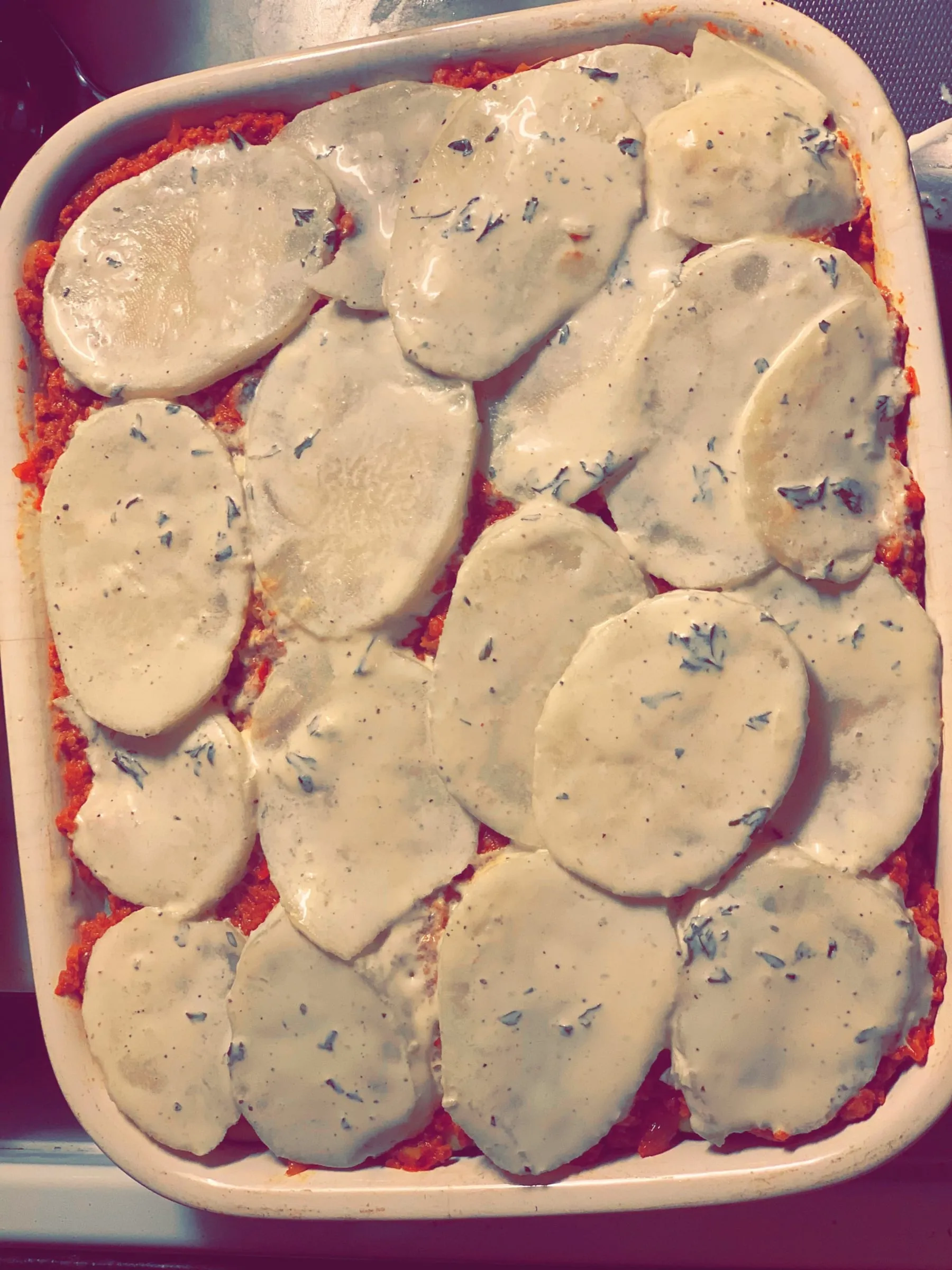
Moussaka at Costas's Taverna in Athens
Greek, 1hr

Caesar Dressing, with a Splash of Tijuana Tequila
Mexican, 10 mins

Macadamia Nut Dressing, Australia in a Spoon
Australian, 10 mins